Mice in the kitchen every fall
We trace the entry point, usually at the foundation line or behind the stove gas line, and seal it with copper mesh and exclusion sealant. Then we set snap traps along the runway to clear the mice already inside.
Rodent Proofing in Ohio means sealing every gap, crack, and vent a mouse or rat can squeeze through, then proving the work with a follow-up inspection. We serve homeowners, landlords, and property managers across the state, from older Cleveland doubles to new-build subdivisions outside Columbus. If you are hearing scratching in the walls or finding droppings in the kitchen, we can stop the next rodent before it gets in.
Tell us what is happening. Our local team will confirm your visit shortly.
Call Now (614) 543 4965 → No spam. No obligation. Just practical help.
Rodent Proofing in Ohio is the trade of closing a building against mice and rats using exclusion materials, sealing compounds, and hardware rather than relying on traps alone. A technician inspects the exterior and interior, maps every entry point wider than a quarter inch, then seals them with copper mesh, steel wool, hardware cloth, exclusion sealant, and foam sealant. We also address vents, utility chases, garage thresholds, and crawl space hatches. Trapping and baiting may run alongside proofing, but the proofing is what stops the next generation from moving in.
Ohio homes see rodent pressure year-round, but the push is hardest from October through February when field mice and Norway rats move toward warmth. Older housing stock in cities like Youngstown, Kettering, and North Olmsted has the most entry points, while newer builds in Delaware and North Ridgeville often have gaps around service penetrations. If you have priced rodent proofing near me Ohio and gotten vague answers, our technicians give you a written scope with entry points marked and materials named.
Every proofing job starts with a full inspection and ends with a written summary. What falls in between depends on your home, but the core inclusions below are standard on every scope we write.
We walk the foundation, roofline, vents, utility penetrations, and garage doors with flashlights and inspection mirrors. Every entry point is photographed and marked on a diagram before we quote the job.
We seal gaps with copper mesh, steel wool, hardware cloth, exclusion sealant, and foam sealant. Materials are chosen based on gap size, exposure, and whether rodents can chew through them over time.
Dryer vents, attic vents, and utility chases get hardware cloth screens or packed and capped with exclusion materials. These are the most common entry points we find in Ohio homes.
When the scope includes attic or crawl space access, we seal hatch edges, rim joists, and pipe penetrations. We also remove accessible droppings and apply a sanitizing treatment to affected surfaces.
You get a written warranty on the exclusion work plus a follow-up visit 10 to 14 days later to verify the seals held. If rodents chewed back through a sealed point, we re-seal it at no charge.
A state-certified rodent control technician walks the exterior and interior with flashlights and inspection mirrors, checking the foundation line, roofline, vents, utility penetrations, garage doors, and crawl space hatch. We photograph every entry point and note rodent droppings, gnaw marks, and runways. Most inspections take 45 to 90 minutes depending on home size.
You get a written scope the same day listing each entry point, the material we will use to seal it, and the total price. No vague line items. If we recommend trapping or baiting alongside proofing, it is listed separately so you can see exactly what you are paying for.
We seal entry points with copper mesh, steel wool, hardware cloth, exclusion sealant, and foam sealant. Vents get hardware cloth screens. Gaps under garage doors get brush seals. Utility chases get packed and capped. A typical single-family home takes three to six hours of on-site work.
We remove droppings, vacuum contaminated insulation surfaces where accessible, and apply a sanitizing treatment to affected areas. Attic and crawl space work is included when the scope covers those spaces. This step usually adds one to two hours.
We return 10 to 14 days later to verify the seals held, re-check the entry points, and confirm no new activity. If anything has shifted or been chewed, we fix it on that visit. You get a written summary of what was sealed and what to watch for.
Purpose-built equipment, used by trained technicians — so the job is done accurately the first time.
Packed into irregular gaps around pipes and utility penetrations. Rodents cannot chew through copper mesh the way they chew through foam or plastic.
Used to fill smaller gaps and voids before sealing. We pair it with exclusion sealant so it stays in place and does not rust out.
Screened over vents, crawl space hatches, and large openings. We use galvanized hardware cloth rated for exterior exposure.
Applied over mesh and wool to lock materials in place and close the gap completely. Rated for exterior temperature swings.
Used around utility penetrations and smaller voids where a flexible seal is needed. Always paired with mesh, never used alone.
Used to remove rodents already inside before sealing. We use Victor and JT Eaton snap traps and tamper-resistant bait stations.
Used to see behind appliances, inside wall voids, and along rim joists where entry points hide. Every technician carries both.
The homeowner had mice in the kitchen every October for three years. Pest control visits caught mice but never sealed the entry points. We found 14 gaps along the foundation sill and around the gas line, plus a gap behind the dryer vent.
We sealed all 14 points with copper mesh, steel wool, and exclusion sealant, and screened the dryer vent with hardware cloth. The follow-up visit 12 days later showed zero new activity. The homeowner has not seen a mouse in two winters.
Rats had been living in the crawl space of a 1960s ranch for at least a year. The homeowner heard scratching at night and found droppings near the furnace. The crawl space hatch had a two-inch gap along the frame.
We removed the rats with snap traps and secured bait stations, then sealed the hatch with hardware cloth and packed the rim joist penetrations with copper mesh. The crawl space was sanitized and the hatch now closes tight. No activity at the 14-day follow-up.
A 2019 home had mice entering through the gap around the HVAC refrigerant line where it penetrated the foundation wall. The gap was about the width of a pencil, which is plenty for a mouse. Droppings appeared in the pantry within weeks of move-in.
We packed the gap with copper mesh and sealed it with exterior-rated exclusion sealant, then checked the attic and found a second gap at the roof vent. Both were sealed in a single three-hour visit. No droppings since.
Most Ohio rodent calls fall into a handful of patterns. Here is what we see most often and how proofing fixes it.
Ask a pro →We trace the entry point, usually at the foundation line or behind the stove gas line, and seal it with copper mesh and exclusion sealant. Then we set snap traps along the runway to clear the mice already inside.
We use larger snap traps and secured bait stations to remove the rats, then seal the crawl space hatch, rim joist, and utility penetrations with hardware cloth and steel wool. We also check for burrows along the foundation.
We inspect the attic and crawl space to find the entry point, remove the rodents with traps, and seal the gap. We also document any existing gnaw marks on wiring so you know what was there before we started.
We install brush seals on garage door thresholds, seal the sill plate gap with exclusion sealant, and check the wall between the garage and living space for penetrations. Most garage proofing jobs take two to three hours.
“We had mice in the kitchen every fall for three years. Ohio Rodent Control found 14 entry points around the foundation and sealed every one with copper mesh and sealant. That was last October. We have not seen a dropping since. The written scope made it easy to see what we were paying for.”
Dana R.Homeowner, Kettering
✓ Verified“I manage four rental units and had rats in the basement of two of them. The crew sealed the crawl space hatch, the utility penetrations, and the garage threshold in one day. They also documented the gnaw marks on the wiring so I could show my insurance adjuster. Worth every dollar.”
Marcus T.Landlord, North Olmsted
✓ Verified“We built in 2019 and still got mice through the gap around the HVAC line. The technician explained exactly where they were getting in and sealed it with hardware cloth and foam sealant. He also checked the attic and found a second gap we did not know about. Follow-up visit confirmed everything held.”
Priya S.Homeowner, Delaware
✓ VerifiedRodent proofing is the process of sealing a building against mice and rats by closing entry points with exclusion materials like copper mesh, steel wool, hardware cloth, and sealant. It is different from trapping or baiting, which remove rodents already inside. Proofing stops the next ones from getting in. Most Ohio homes need proofing at the foundation line, vents, utility penetrations, and garage thresholds.
Typical 2026 pricing in Ohio runs $350 to $1,200 for a single-family home, depending on the number of entry points and whether attic or crawl space work is included. Small bungalows with a handful of gaps land near the low end. Larger homes with multiple levels, detached garages, or heavy crawl space access land higher. We give you a written scope before any work begins.
A properly executed exclusion job lasts five to ten years in most Ohio homes, and often longer when copper mesh and hardware cloth are used instead of foam alone. Ohio freeze-thaw cycles and settling foundations can open new gaps over time, so we recommend a quick annual exterior check. If you see fresh droppings or gnaw marks, call us for a re-inspection.
Yes. Ohio Rodent Control backs exclusion work with a written warranty that covers re-sealing if rodents chew back through a point we sealed during the warranty period. The warranty terms are listed on your scope before you pay. Warranty length depends on the scope of work, and we explain it clearly on the estimate.
Ohio Rodent Control delivers rodent proofing services across the state, from the Mahoning Valley to the Miami Valley and the Lake Erie shoreline. Every crew uses the same materials, the same written scope, and the same warranty. If your city is on this list, we can schedule an inspection at your address this week.
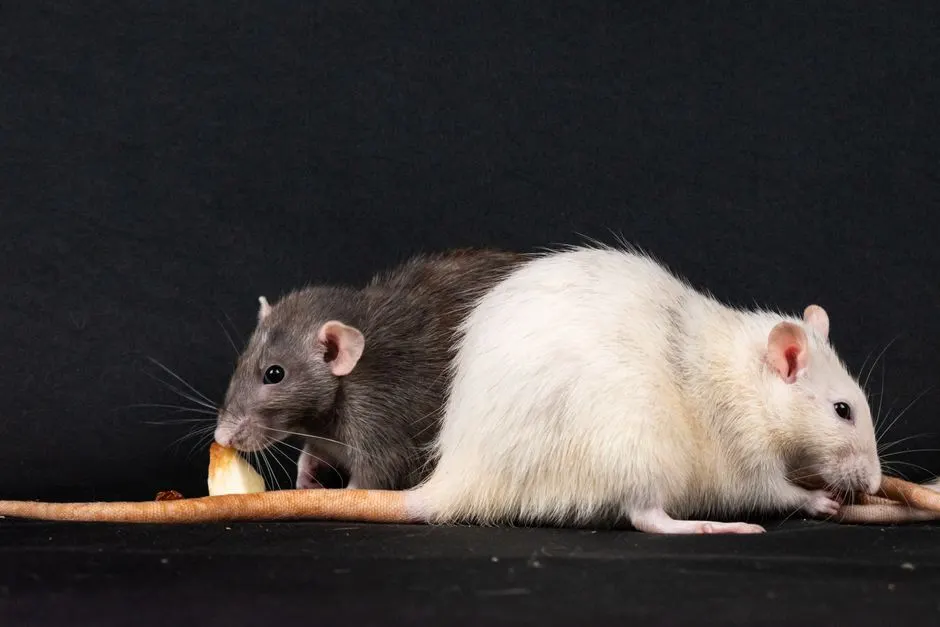 Rodent ControlFull rodent control combines inspection, trapping, baiting, and exclusion into one program. If you have active rodents inside right now, we start with control and finish with proofing so the problem does not return.Explore →
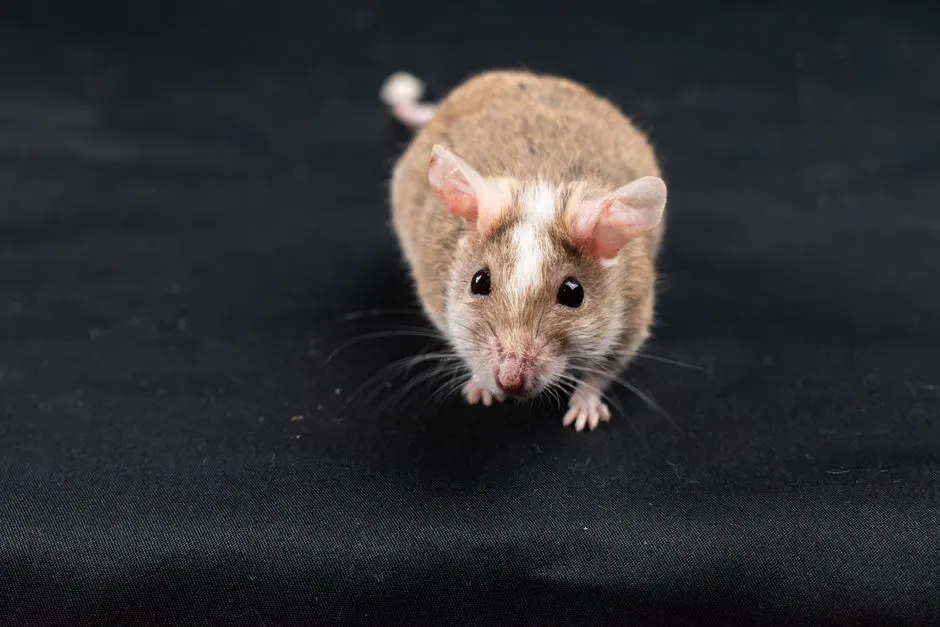 Mice ExterminationMice extermination targets the mice already inside your home using snap traps, bait stations, and glue boards. We pair it with proofing so the next generation of mice has nowhere to enter.Explore →
 Rat ExterminationRats in basements and crawl spaces need a different approach than mice. We use larger traps, secured bait stations, and heavy-duty exclusion materials sized for Norway rat entry points.Explore →
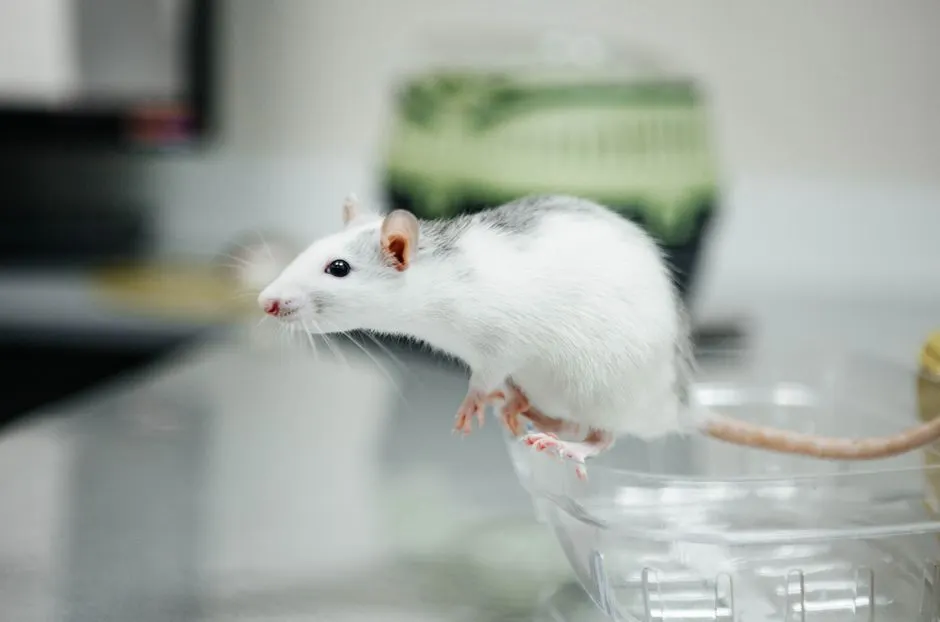 Rodent InspectionA rodent inspection maps every entry point, runway, and dropping site in your home. It is the first step of any proofing job and the best way to know what you are actually dealing with.Explore →
 Rodent RemovalRodent removal clears live rodents from attics, walls, and crawl spaces before we seal the structure. Removing first and proofing second prevents rodents from being trapped inside the walls.Explore →
 Rodent ExclusionRodent exclusion is the technical term for proofing: sealing entry points with copper mesh, hardware cloth, steel wool, and sealant. It is the core of what we do and the service most Ohio homes actually need.Explore →
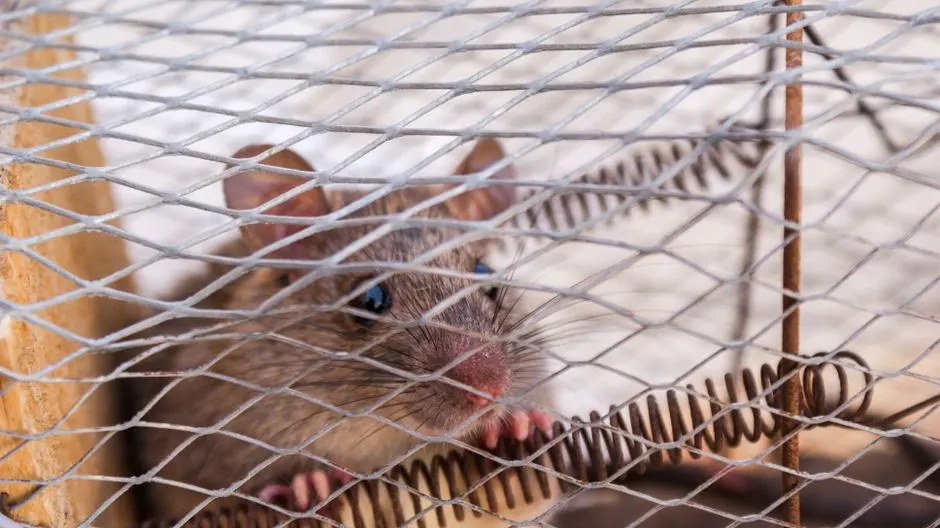 Rodent TrappingWe use snap traps, live catch traps, and glue boards placed along runways and near entry points. Trapping removes the rodents inside; proofing keeps new ones out.Explore →
 Rodent BaitingBaiting uses rodenticide bait blocks and pellet bait in tamper-resistant bait stations. We place them where rodents travel and where kids and pets cannot reach them.Explore →
If you are hearing scratching in the walls or finding droppings in the kitchen, call Ohio Rodent Control at (614) 543 4965. We will schedule an inspection, give you a written scope, and seal your home against the next rodent. Licensed, insured, and warrantied.
Book an Inspection (614) 543 4965 →Reach out today for a free estimate or to schedule service. Our phones are answered 24/7, and we offer same-day appointments in most areas. Call (614) 543 4965 or email us at info@ohiorodentcontrol.com. We respond quickly and professionally.