State-licensed baiting for homes, garages, and commercial buildings

Rodent Baiting in Ohio That Clears Infestations Fast

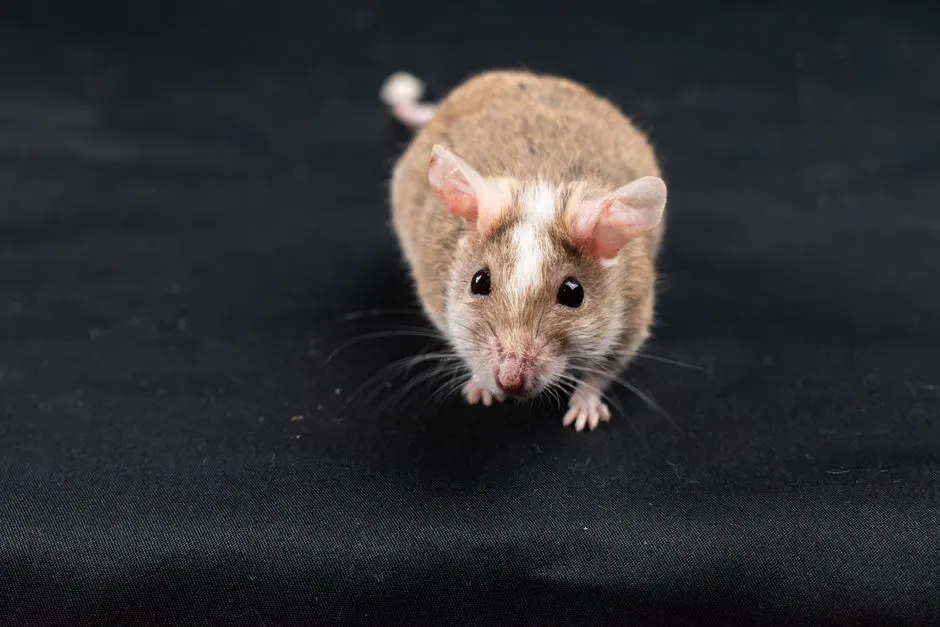
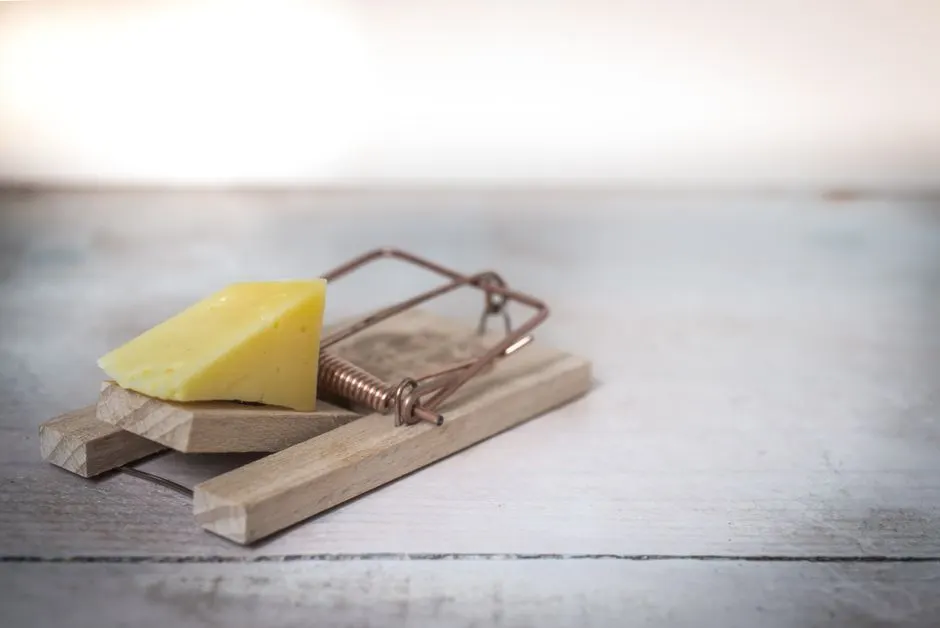
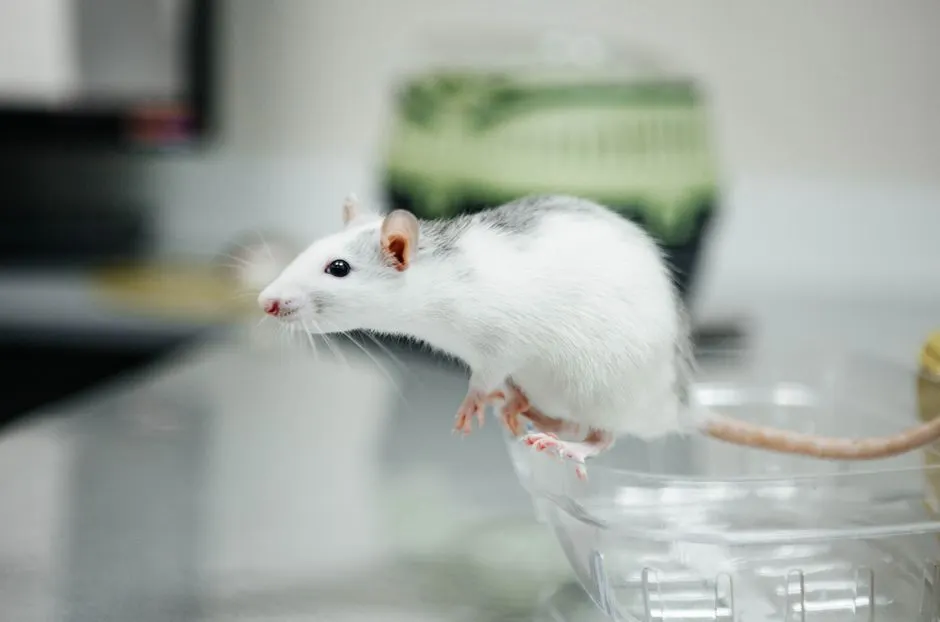
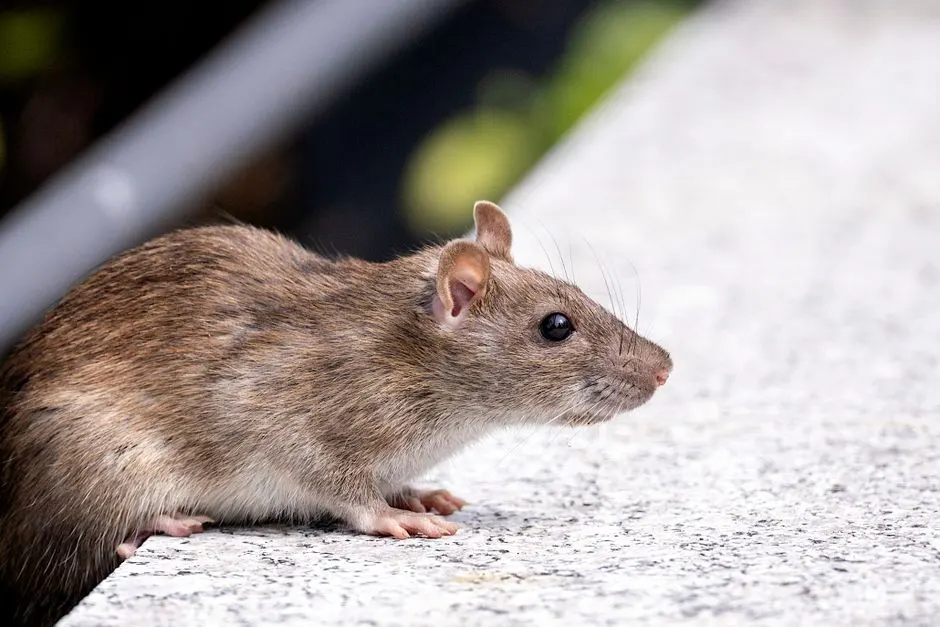
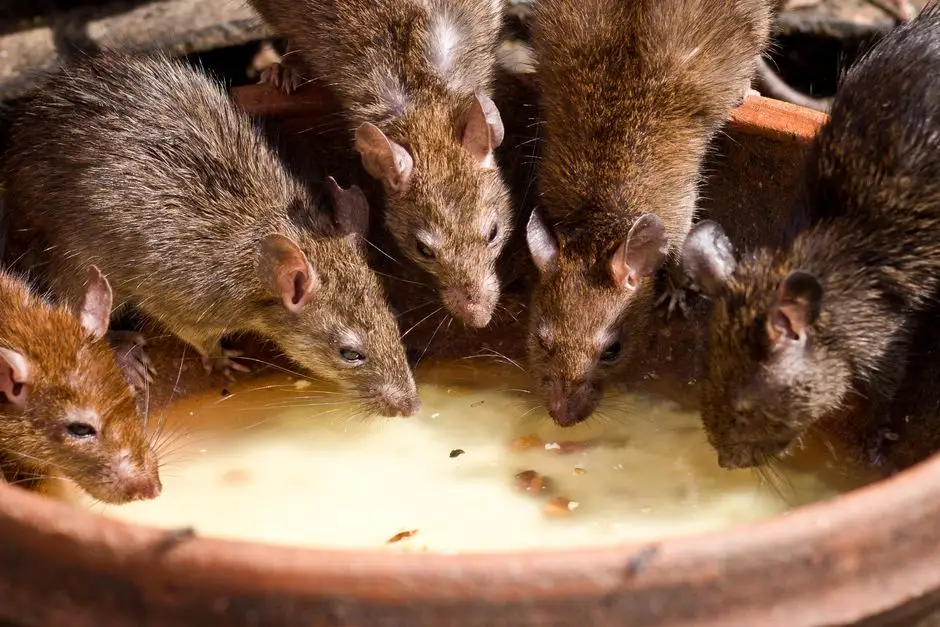
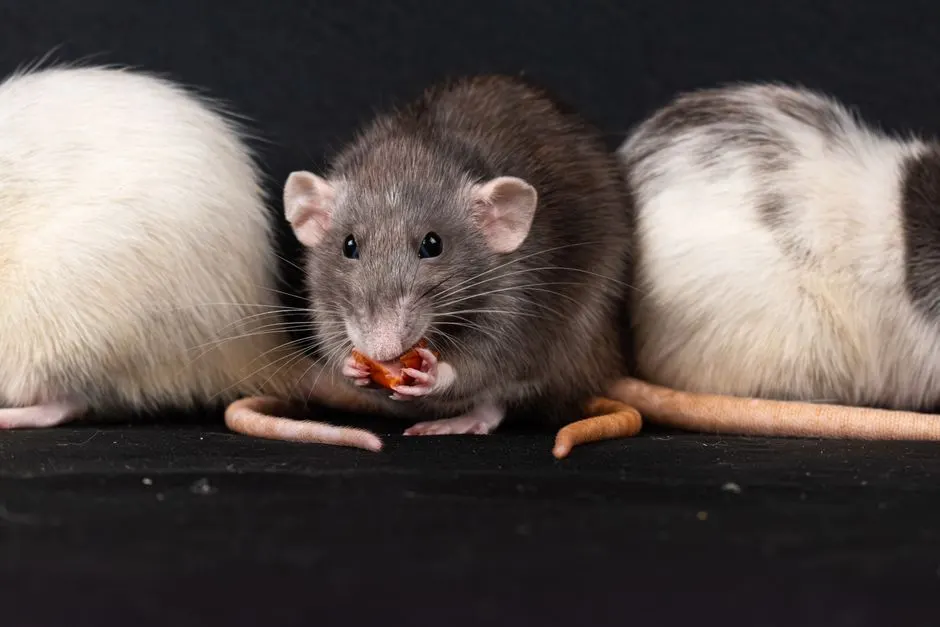
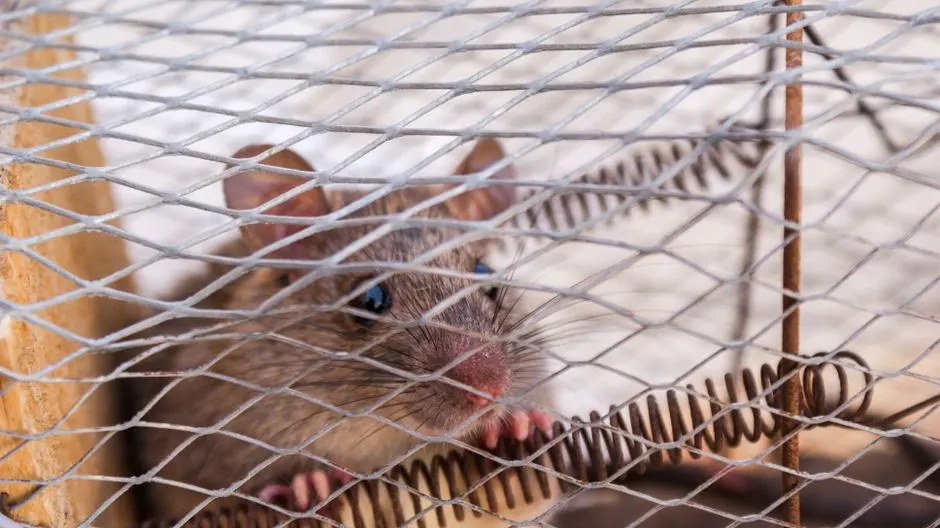
Rodent Baiting in Ohio is our specialty, and we handle it for homeowners, landlords, and business owners across the state. If you have mice in the kitchen, rats in the basement, or scratching noises in walls, we place tamper-resistant bait stations, track activity, and monitor until the population is gone. We serve Ohio only, and we know how rodents behave in every season here.

↗
Fast online booking

Request service today

Tell us what is happening. Our local team will confirm your visit shortly.

Call Now (614) 543 4965 → No spam. No obligation. Just practical help.
Ohio Rodent Control serving Ohio
Careful work. Honest options.
About this service

What Rodent Baiting in Ohio Actually Involves

Rodent Baiting in Ohio means placing rodenticide bait blocks, pellet bait, or tracking powder in secure bait stations where rodents travel, then monitoring those stations until activity stops. We do not scatter poison. We use tamper-resistant, locked stations from Bell Laboratories, Liphatech, and JT Eaton, and we set them along walls, in crawl spaces, behind appliances, and inside attics. Every station is mapped and numbered so we can track which ones get hit and how fast.

Ohio homes and businesses call us because rodents do not take a season off. In older Cleveland and Cincinnati neighborhoods, field mice slip through gaps around plumbing and foundation sills. In newer suburbs, deer mice move from woodpiles into garages and attics. We offer rodent baiting and monitoring Ohio clients can schedule monthly, and we treat rodent baiting for homes Ohio families need done without risking pets or kids. If you are searching for rodent baiting near me Ohio, we cover the whole state.

  • ✓ Fast Population Knockdown
  • ✓ Safe Around Pets and Kids
  • ✓ Works in Tough Spaces
  • ✓ Documented, Repeatable Results
What's included

What Our Rodent Baiting Service Includes

Every baiting job starts with a full inspection and ends with a written report. Here is what is covered in our standard service. Exclusion work beyond minor sealing, major structural repairs, and insulation replacement are quoted separately if you need them.

✓

Full Interior and Exterior Inspection

We check the attic, crawl space, basement, kitchen, garage, and exterior perimeter. We look for rodent droppings, gnaw marks on wiring, runways, and rodent entry points. You get a written summary of what we found and where.

✓

Locked Bait Station Placement

We set tamper-resistant bait stations from Bell Laboratories and JT Eaton along the runways we found. Stations are anchored, numbered, and mapped. We place them in attics, crawl spaces, garages, and along exterior walls.

✓

Scheduled Monitoring Visits

We return every 7 to 14 days to check consumption, refill bait, and move stations that are not getting hit. Most jobs need two to four visits. You get a written log after each one showing what was active.

✓

Minor Exclusion Sealing

Once activity stops, we seal the smaller entry points we found. That includes copper mesh, steel wool, and exclusion sealant around pipes, vents, and foundation gaps. Larger repairs get a separate quote.

✓

Final Report and Recommendations

You get a close-out report with photos, a station map, and maintenance recommendations. We tell you what to watch for and how often to schedule follow-up baiting if you are in a high-pressure area.

How it works

Our Rodent Baiting Process, Step by Step

01

Phone Assessment

You call (614) 543 4965 and describe what you are seeing and hearing. We ask about droppings, gnaw marks on wiring, scratching noises in walls, and how long it has been going on. That call takes 5 to 10 minutes and we schedule the inspection the same week, often the next day.

02

On-Site Inspection

A state-certified rodent control technician walks the property with a flashlight and inspection mirrors. We check the attic, crawl space, basement, kitchen, garage, and exterior perimeter. We look for rodent entry points, runways, and nesting material. This usually takes 45 to 90 minutes depending on square footage.

03

Bait Placement

We set locked, tamper-resistant bait stations along the runways we found. Depending on the situation, we use rodenticide bait blocks, pellet bait, or tracking powder. Stations go in attics, crawl spaces, garages, and along exterior walls. We map and number every station before we leave.

04

Monitoring Visits

We come back every 7 to 14 days to check consumption, refill stations, and move any that are not getting hit. Most jobs need two to four monitoring visits. You get a written log each time showing which stations were active and how much bait was taken.

05

Exclusion and Close-Out

Once activity drops to zero, we seal the entry points we found. That means copper mesh, steel wool, exclusion mesh, hardware cloth, and caulk gun work around pipes, vents, and foundation gaps. We do a final inspection and give you a report with photos and maintenance recommendations.
Tools & methods

Tools and Methods We Use for Baiting

Purpose-built equipment, used by trained technicians — so the job is done accurately the first time.

Tamper-Resistant Bait Stations

Locked, anchored stations from Bell Laboratories, JT Eaton, and Liphatech hold bait blocks and pellets where rodents travel. They keep pets, kids, and non-target wildlife out.

Rodenticide Bait Blocks and Pellets

Second-generation anticoagulant blocks and pellets from Bell Laboratories, Liphatech, Neogen, and BASF. We choose the form based on moisture, location, and rodent species.

Tracking Powder

Used in wall voids and closed spaces where we cannot place a station. Rodents pick it up on their fur and spread it through the colony.

Inspection Mirrors and Flashlights

We use these to check behind appliances, inside wall voids, and under crawl space joists. Finding the runway is what makes bait placement effective.

Exclusion Mesh, Copper Mesh, and Steel Wool

We seal gaps around pipes, vents, and foundation sills after baiting. These materials stop rodents from chewing back through the opening.

Caulk Gun and Foam Sealant

Used for smaller gaps around utility penetrations and exterior trim. We combine sealant with mesh for openings larger than a quarter inch.

Real results

Before and after.

Attic Infestation in Lorain

Before

Homeowner heard scratching above the bedroom every night for three weeks. Inspection found deer mouse droppings, chewed insulation, and a gap where the roof line met the chimney. No baiting had ever been done in the attic.

After

We placed 12 locked bait stations along the attic joists and chimney chase. At the two-week check, 9 stations had been hit. By week four, consumption was zero. We sealed the chimney gap with copper mesh and steel wool.

Restaurant Kitchen in Huber Heights

Before

A health inspector flagged rodent droppings under the prep sink and along the back wall. The restaurant had 14 days to correct or face a re-inspection with possible closure. No baiting program was in place.

After

We installed 18 numbered stations in the kitchen, storage room, and trash area. We logged every visit and provided photo reports. Activity dropped to zero in 21 days. The restaurant passed re-inspection and moved to monthly monitoring.

Crawl Space in Springboro

Before

New homeowner found droppings on the vapor barrier during a DIY check. The crawl space had open foundation vents and a gap around the HVAC line. Mice were moving in from the field behind the house.

After

We set 10 bait stations on the vapor barrier and along the joists. Two monitoring visits later, activity was zero. We sealed the vents with hardware cloth and the HVAC gap with copper mesh and exclusion sealant.

Problems we solve

Rodent Problems We Solve With Baiting

Baiting is the right tool for a lot of Ohio rodent problems, but not all of them. Here are the situations where we reach for bait stations first and what happens if you wait.

Ask a pro →
01

Scratching noises in walls at night

We inspect the attic and crawl space to find the runway, then set locked bait stations in the void access points. Bait consumption tells us how many rodents are using that path. Most wall-void jobs quiet down in 10 to 14 days.

↗
02

Mice in the kitchen and pantry

We bait the wall voids and under-appliance gaps where kitchen mice travel, then seal the gaps behind the stove, dishwasher, and sink cabinet. We also set snap traps in the pantry as a secondary measure. Kitchen jobs usually clear in two to three weeks.

↗
03

Rats in the basement or crawl space

We use heavier bait blocks in larger stations placed along basement walls and crawl space joists. We also check the sewer line and foundation for entry points. Rat jobs take three to five weeks with monitoring because rats are more cautious about new objects.

↗
04

Rodents in a commercial building

We build a documented baiting program with mapped stations, service logs, and photo reports. We schedule visits around your operating hours and provide the paperwork inspectors ask for. Most commercial accounts move to monthly monitoring after the initial knockdown.

↗
Proof you can check

Licensed, Certified, and Reviewed

✓
Ohio Department of Agriculture Pesticide Applicator LicenseOhio Department of Agriculture
✓
QualityPro CertificationNational Pest Management Association
✓
NPMA MembershipNational Pest Management Association
✓
OSHA Safety TrainingOccupational Safety and Health Administration
Customer reviews

What Ohio Clients Say About Our Baiting

★★★★★
“We had mice in the kitchen and could hear them in the walls at night. The technician inspected the attic and crawl space, set locked bait stations, and came back twice to check them. By week three the scratching stopped. He also sealed the gap behind the stove where they were getting in. Worth every dollar.”
DR

Dana R.Homeowner, Lorain

✓ Verified
★★★★★
“I was worried about bait because we have two dogs. They used tamper-resistant stations and put them in the garage and crawl space where the dogs cannot get to them. No issues at all. The mice were gone in two weeks and they sealed the entry points around the foundation.”
PS

Priya S.Homeowner, Springboro

✓ Verified
Good questions

Frequently Asked Questions About Rodent Baiting

(614) 543 4965 →

Most residential rodent baiting jobs in Ohio run $250 to $650 for the initial service plus two to four monitoring visits. Commercial accounts and large properties can run $800 to $2,500 depending on square footage and station count. Attic and crawl space work adds labor, so those jobs land at the higher end. We give you the full price before we start.

Yes, when it is done with locked tamper-resistant stations. We use Bell Laboratories and JT Eaton stations that pets and children cannot open, and we anchor them so they cannot be dragged. We place bait in attics, crawl spaces, and wall voids, not in open floor areas. If you have pets, tell us on the call and we will adjust placement.

You usually see a drop in activity within 3 to 7 days. Full control takes 2 to 4 weeks with monitoring visits every 7 to 14 days. Cold snaps push rodents indoors and can slow things down for a few days, but bait consumption tells us whether the program is working. We do not close the job until the stations are quiet for two straight visits.

We use second-generation anticoagulant rodenticide bait blocks, pellet bait, and tracking powder from Bell Laboratories, Liphatech, Neogen, and BASF. The choice depends on the rodent species, the location, and moisture. Blocks hold up in damp crawl spaces. Pellet bait works well in attics. Tracking powder is for wall voids and closed spaces where we cannot place a station.

Where we deliver this service

Cities We Serve for Rodent Baiting

Our baiting crews run routes across Ohio, from the lakefront to the southern border. We deliver Ohio rodent baiting services in the cities below and the surrounding townships. If your city is not listed, call us. We likely cover it.

LorainOlder lakefront housing stock with stone foundations and unsealed pipe chases. We bait basements and crawl spaces first, then seal the gaps around plumbing and sills.View area →Cuyahoga FallsRiver-adjacent homes and older commercial buildings. Damp crawl spaces need block bait and more frequent station checks. We also inspect the river-side foundation walls.View area →Huber HeightsPost-war ranches with attached garages. Garage-to-house gaps are the main entry point. We bait the garage and seal the door and wall penetrations.View area →MarionDowntown commercial blocks and older residential streets. Rats move along alleyways and sewer lines. We use heavier stations and check the sewer entries.View area →AustintownMix of residential and commercial properties near the interstate. Rodents move along utility easements. We bait the perimeter and seal the foundation vents.View area →Avon LakeLakefront homes with crawl spaces and attached garages. Moisture is a factor, so we use weather-resistant block bait and check stations more often.View area →RiversideOlder suburban homes near the river. Field mice move in from the tree line each fall. We bait the attic and garage and seal the foundation vents.View area →LebanonHistoric downtown and newer subdivisions. Older homes have unsealed sills and plumbing chases. We bait the basement and wall voids, then seal the gaps.View area →SpringboroNewer subdivisions backing onto fields. Deer mice move in from the tree line. We bait the attic and garage and seal the foundation vents with hardware cloth.View area →NilesOlder industrial and residential mix. Rats move along the rail corridor and sewer lines. We use heavier bait blocks and larger stations in basements and crawl spaces.View area →AuroraWooded lots and larger properties. Deer mice and field mice are common in garages and attics. We bait the perimeter and seal the vents and pipe penetrations.View area →MonroeGrowing suburban area with new construction. Rodents move in from adjacent fields. We bait the attic and garage and seal the foundation vents.View area →BellefontaineOlder homes and commercial buildings in a rural setting. Field mice move in from surrounding farmland. We bait the basement and crawl space and seal the sills.View area →EnglewoodSuburban homes near the Dayton area. Garage and attic activity is common in the fall. We bait the garage and attic and seal the door and wall gaps.View area →AmeliaRural-suburban mix with wooded lots. Deer mice are the main problem. We bait the attic and crawl space and seal the foundation vents with hardware cloth.View area →
Ready when you are

Get Rodent Baiting in Ohio This Week

We are licensed, insured, and have been baiting Ohio properties since 2008. Call now and we will schedule your inspection, place stations, and start knocking down the population. Most jobs get a same-week appointment.

Book an Inspection (614) 543 4965 →
Request an appointment

Contact Ohio Rodent Control

Reach out today for a free estimate or to schedule service. Our phones are answered 24/7, and we offer same-day appointments in most areas. Call (614) 543 4965 or email us at info@ohiorodentcontrol.com. We respond quickly and professionally.

Tap to call(614) 543 4965