Mice in the kitchen and pantry
We place bait stations behind appliances and inside cabinet voids, then seal the gaps mice use to get in. Most kitchen infestations clear in 5 to 10 days, with follow-up visits to confirm the knockdown.
Rodenticide Application in Ohio is a licensed, targeted baiting service for mice and rats in attics, crawl spaces, garages, kitchens, and commercial buildings. Our state-certified technicians place tamper-resistant bait stations, track activity, and seal entry points so the problem does not come back. If you hear scratching in the walls or find droppings behind the fridge, we can be on site this week.
Tell us what is happening. Our local team will confirm your visit shortly.
Call Now (614) 543 4965 → No spam. No obligation. Just practical help.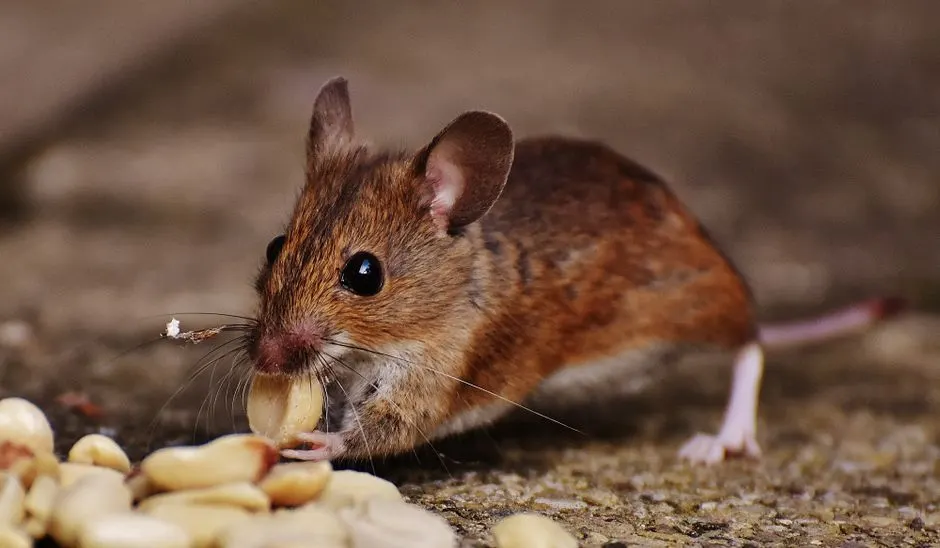
Rodenticide Application in Ohio is a licensed pest-control service that places EPA-registered bait in tamper-resistant stations to eliminate mice and rats, then monitors those stations until activity stops. We use bait blocks, pellet bait, and tracking powder matched to the species and the location, whether that is an attic in Middletown or a commercial kitchen in Grove City. Every station is anchored, labeled, and logged so you know exactly what was placed and where.
Ohio homes and businesses deal with rodent pressure year-round, but the calls spike from October through February when field mice and Norway rats push indoors for warmth. Older housing stock in Lakewood and Rocky River means gaps around sill plates, utility penetrations, and foundation vents that let rodents in. We start with a full inspection, then build a baiting and monitoring plan around what we find. If you have been searching for rodenticide application near me Ohio, this is how the work gets done.
Every job starts with an inspection and ends with a written summary. The core baiting and monitoring work is included in the initial quote. Exclusion work beyond minor gap sealing is quoted separately if it is needed.
We check the attic, crawl space, garage, kitchen, basement, and exterior perimeter for droppings, gnaw marks, entry points, and rodent runs. This takes 45 to 90 minutes and sets the plan for everything that follows.
Locked, anchored stations placed in areas of confirmed activity. We use Bell Laboratories and JT Eaton stations and label each one with the active ingredient and placement date. Stations stay in place through the monitoring phase.
We return every 5 to 7 days during the active phase to check bait consumption, refill stations, and adjust placement. You get a written log of each visit showing what was found and what was done.
Small gaps around pipes, vents, and foundation cracks get sealed with copper mesh, steel wool, and exclusion sealant as part of the job. Larger exclusion projects are quoted separately if the inspection turns up significant openings.
When the knockdown is confirmed, we give you a summary of station locations, activity trends, and the entry points we sealed. It is your record of what was done and what to watch for next season.
You call (614) 543 4965 and describe what you are seeing: droppings, scratching in the walls, gnaw marks on wiring, or a rat sighting in the basement. We ask a few questions to size the job and schedule a same-week inspection, usually within 24 to 72 hours.
A state-certified technician walks the property with a flashlight and inspection mirrors, checking the attic, crawl space, garage, kitchen, and exterior perimeter. We identify the species, find entry points, and note any damage to insulation or wiring. This visit takes 45 to 90 minutes.
We set tamper-resistant bait stations in areas of confirmed activity and along travel routes. Bait blocks and pellet bait go inside locked stations; tracking powder goes in wall voids and hidden runs. Every station is numbered and mapped so we can track it on follow-up visits.
We return every 5 to 7 days for the first two to three weeks to check bait consumption, replace what has been eaten, and adjust placement. Once activity drops to zero, we space visits out and confirm the knockdown before closing the job.
Before we finish, we seal the entry points we found: gaps around pipes, foundation cracks, and vent openings. We use copper mesh, steel wool, and hardware cloth backed with exclusion sealant. You get a written summary of what was done and what to watch for.
Purpose-built equipment, used by trained technicians — so the job is done accurately the first time.
Locked, anchored stations that hold bait blocks and pellet bait. We use Bell Laboratories and JT Eaton models that meet EPA tamper-resistance standards and label each one.
Used in food-handling areas and other spots where bait is not the right tool. We set Victor and JT Eaton snap traps along walls and in runs, and check them on the same schedule as the stations.
Used to check wall voids, crawl spaces, and attic corners where rodents hide. This is how we find entry points and runs that are not visible from standing height.
Stuffed into gaps around pipes, vents, and foundation penetrations. Rodents cannot chew through copper mesh, and steel wool blocks smaller openings until sealant cures.
Used to cover larger openings like foundation vents and soffit gaps. We fasten hardware cloth with staples or screws, then seal the edges with exclusion sealant.
Applied in wall voids and hidden runs where bait stations will not fit. It shows us exactly where rodents are traveling so we can place bait more precisely.
A homeowner in Lakewood had mice in the kitchen for two months. Droppings were showing up in drawers and behind the stove, and store-bought traps were not keeping up. The entry point was a gap around the gas line where it came through the floor.
We placed bait stations behind the appliances and in the cabinet voids, then sealed the gas-line gap with copper mesh and exclusion sealant. Activity dropped to zero in nine days, confirmed by two consecutive clean monitoring visits.
A property manager in Grove City had rats in the basement and trash rooms of a 40-unit building. Droppings were showing up near the mechanical room, and tenants were complaining about noise at night. There was no documentation of any prior pest control.
We set up 22 numbered bait stations across the basement, trash rooms, and exterior perimeter, with service logs for each visit. Activity dropped to zero in five weeks. The building now has a monthly monitoring visit and a clean activity report.
A homeowner in Mason heard scratching in the attic ceiling for three weeks. An inspection found droppings and gnaw marks on a wire run near the soffit. The entry point was a gap where the roof line met the soffit, about two inches wide.
We placed bait stations in the attic along the travel routes and sealed the soffit gap with hardware cloth and exclusion sealant. Scratching stopped in 11 days. Follow-up visits confirmed no new activity and no new droppings.
Most calls come down to a handful of repeat problems. Here is what we see and how we handle each one.
Ask a pro →We place bait stations behind appliances and inside cabinet voids, then seal the gaps mice use to get in. Most kitchen infestations clear in 5 to 10 days, with follow-up visits to confirm the knockdown.
We locate the runs and burrows first, then place heavier bait stations along the travel routes. For rodenticide application for crawl space Ohio jobs, we also seal foundation penetrations and vents with hardware cloth and copper mesh.
We inspect the attic and wall voids with mirrors and flashlights, place bait in the voids, and seal the exterior entry points they are using. Most customers hear the scratching stop within 7 to 14 days.
We bait the area to stop the activity, then document the damage we find so you know what needs repair. Sealing the entry points with steel wool and exclusion sealant prevents a repeat.
“We had mice in the kitchen for two months and could not get rid of them. The technician found the entry point behind the stove, set bait stations in the crawl space, and sealed the gap with copper mesh. Activity stopped in about a week. The follow-up visits were on time every time, and they left a written log of everything they did.”
Dan R.Homeowner, Lakewood
✓ Verified“We manage a 40-unit building and had rats in the basement and trash rooms. Ohio Rodent Control set up a full baiting and monitoring program with numbered stations and documentation we could hand to the health inspector. Six weeks in, the activity reports were clean. They still come monthly to check the stations.”
Melissa T.Property Manager, Grove City
✓ Verified“I was worried about bait with two dogs in the house. They used locked stations, put them where the dogs cannot get to them, and walked me through the whole setup. Scratching in the walls stopped in about ten days. They also sealed the gap where the gas line comes in, which is where the mice were getting in.”
Greg S.Homeowner, Mason
✓ VerifiedMost residential rodenticide application jobs in Ohio run $180 to $450 for the initial service and first two follow-up visits, with larger or commercial jobs running $500 to $1,200. The final price depends on square footage, severity, and how many entry points need sealing. We give you the number before we start, and follow-up monitoring visits are included in the initial quote for the first three weeks.
Yes, when it is done with tamper-resistant bait stations, which is how we do every job. The bait stays locked inside a station that a dog or cat cannot open, and we anchor each station so it cannot be dragged. We also place stations in areas pets do not access, like crawl spaces and wall voids. If you have a pet that gets into everything, tell us on the call and we will adjust placement.
You will usually see a noticeable drop in activity within 5 to 10 days for mice and 7 to 14 days for rats. Full knockdown typically takes two to four weeks, which is why we schedule monitoring visits every 5 to 7 days during the active phase. Cold-weather jobs in Ohio sometimes run a few days longer because rodents are moving less and hitting stations less often.
We use EPA-registered anticoagulant and non-anticoagulant rodenticides in bait block, pellet, and tracking powder form, sourced from Bell Laboratories, Liphatech, Neogen, and BASF. The specific product depends on the species, the location, and whether pets or children are present. Every station is labeled with the active ingredient, and we rotate products when needed to prevent bait shyness.
Ohio Rodent Control runs rodenticide application services across the state, from the Cleveland and Lakewood lakefront down through Columbus and Grove City, west to Dayton and Clayton, and into smaller towns like Greenville, Celina, and Wapakoneta. Our technicians carry the same stations, bait, and documentation everywhere we go. If you need a rodenticide application company Ohio property owners call when the scratching starts, we cover your area.
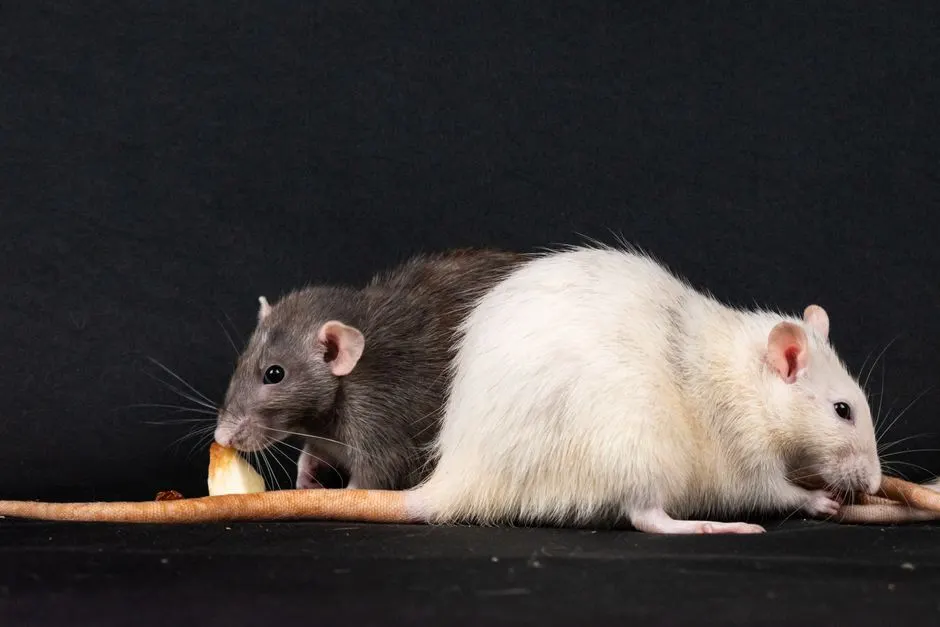 Rodent ControlOur full rodent control program combines inspection, trapping, baiting, and exclusion into one plan. Rodenticide application is often the first phase, followed by proofing work to close the entry points we find.Explore →
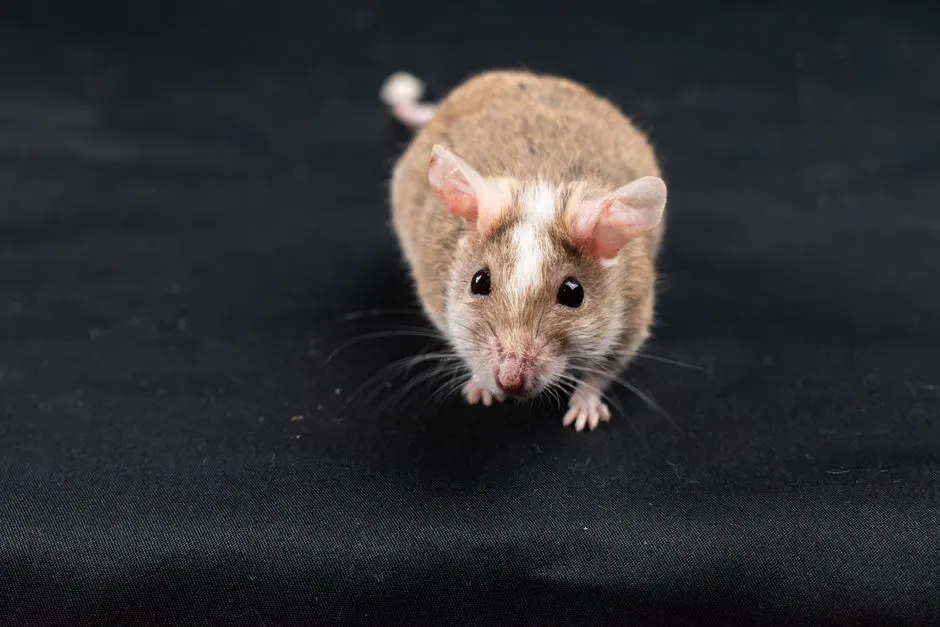 Mice ExterminationMice extermination targets the smaller, more persistent species that gets into kitchens and pantries. We pair bait stations with snap traps and exclusion mesh to clear an infestation and keep it from returning.Explore →
 Rat ExterminationRat extermination handles Norway and roof rats, which need heavier baiting and bigger stations than mice. We locate the burrows and runs first, then place bait where rats are actually traveling.Explore →
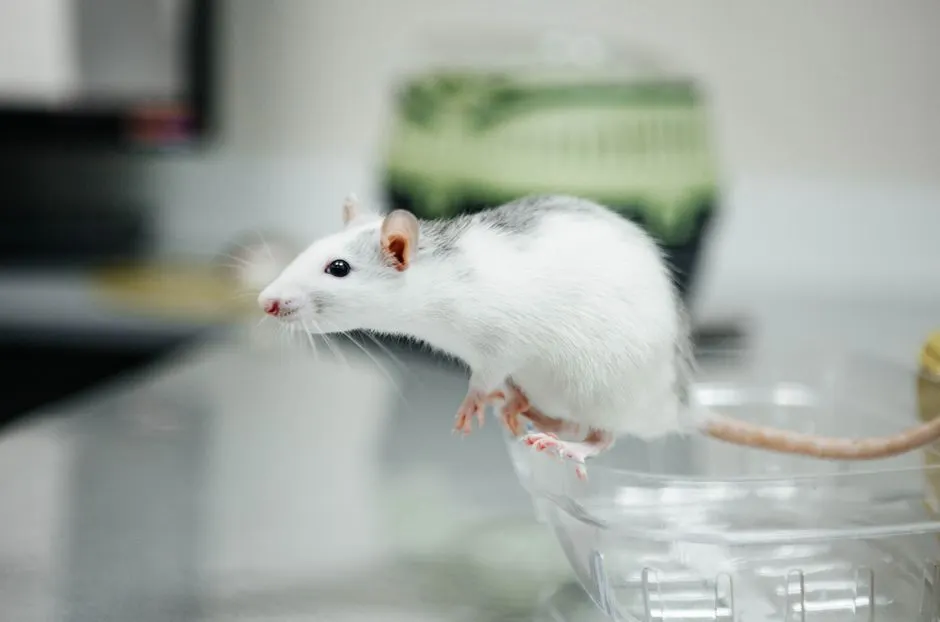 Rodent InspectionA rodent inspection is the first step in any baiting program. We check the attic, crawl space, garage, and exterior perimeter for droppings, gnaw marks, and entry points, then build the treatment plan around what we find.Explore →
 Rodent RemovalRodent removal covers dead rodent pickup and disposal, which matters after a baiting program starts working. We locate carcasses in wall voids and attics and remove them so you are not left with odor problems.Explore →
 Rodent ExclusionRodent exclusion seals the gaps that let rodents in: pipe penetrations, foundation cracks, and vent openings. We use copper mesh, steel wool, hardware cloth, and exclusion sealant to close them permanently.Explore →
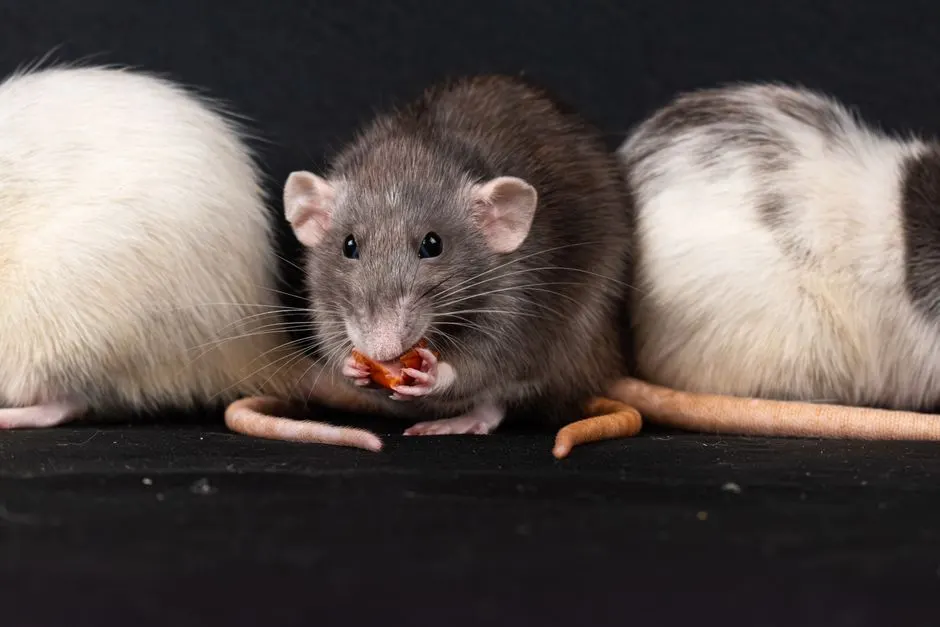 Rodent ProofingRodent proofing is the broader weatherization-style work that makes a building harder to enter. It pairs with baiting to reduce the chance of a new infestation starting next season.Explore →
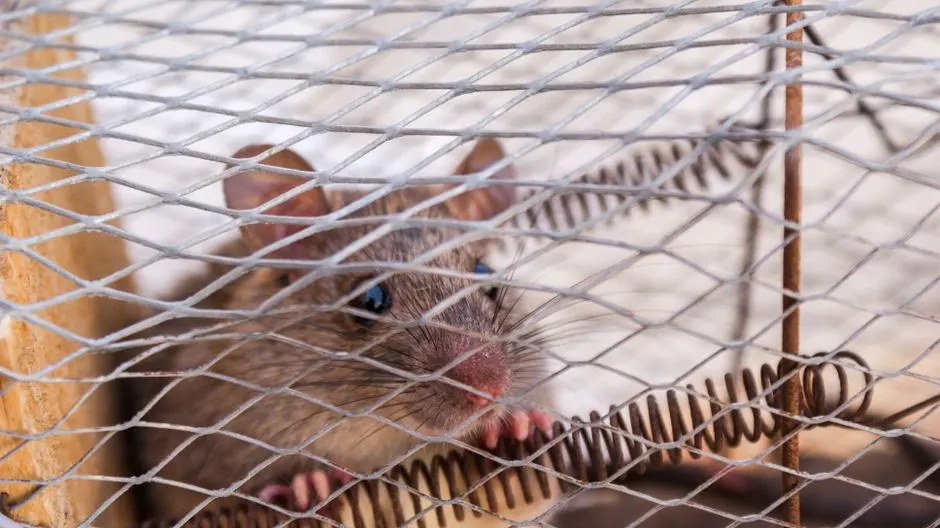 Rodent TrappingRodent trapping uses snap traps, glue boards, and live catch traps in areas where bait is not the right tool, like food-handling spaces. We combine trapping with baiting when the situation calls for both.Explore →
We are licensed, insured, and have been running baiting programs in Ohio since 2008. Call now and we will schedule an inspection, give you a written price, and start the knockdown. Same-week appointments are available across most of the state.
Schedule Inspection (614) 543 4965 →Reach out today for a free estimate or to schedule service. Our phones are answered 24/7, and we offer same-day appointments in most areas. Call (614) 543 4965 or email us at info@ohiorodentcontrol.com. We respond quickly and professionally.