






Residential Rodent Control in Kettering Homes
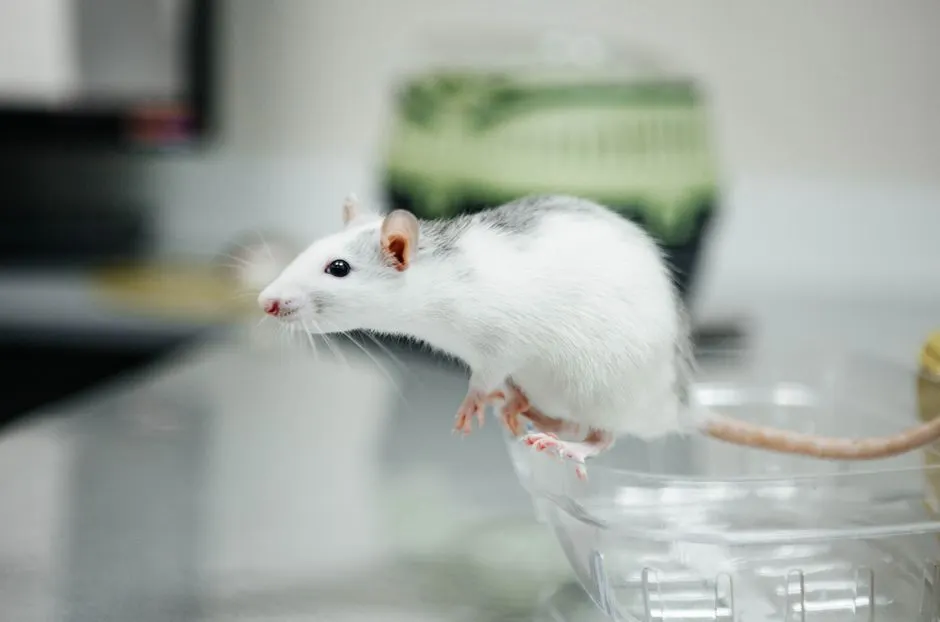
Most of our Kettering work is residential, and the houses here have a lot in common: full basements or crawl spaces, attached or detached garages, and mature trees that drop seed and cover. That combination is a rodent magnet. Families in South Kettering and North Kettering call us most often about mice in the kitchen, and homeowners near Downtown Kettering call about rats in the basement. We treat the house as a system, not a single room. If you need rodent proofing in Kettering, OH for a family home, we start at the foundation and work up to the attic.
We inspect the attic, crawl space, basement, garage, kitchen, and exterior perimeter in one visit. In Kettering's older homes, that means checking the foundation vents, the AC line set, the dryer vent, and the plumbing penetrations. You get photos of every entry point we find and a written plan for sealing them.
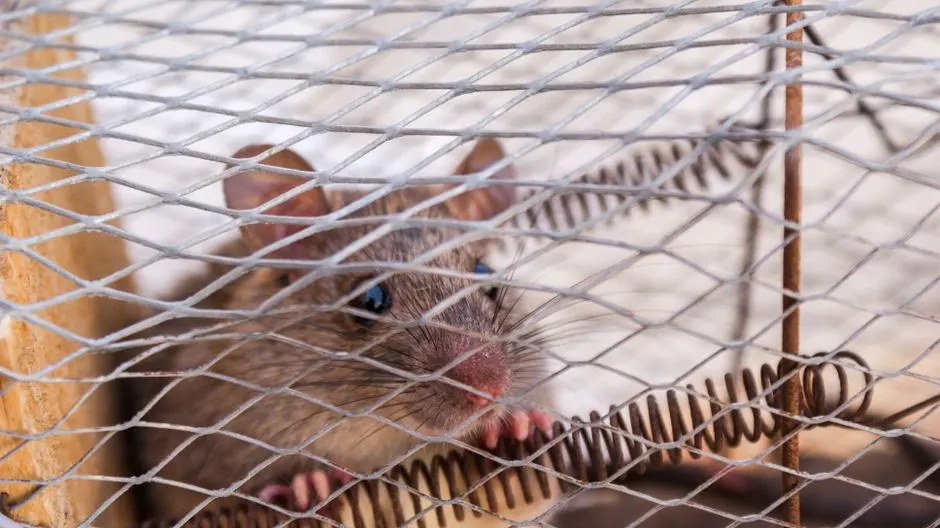
We set Victor snap traps, live catch traps, and glue boards depending on the situation. In Kettering homes with pets or young kids, we use secured snap traps inside bait stations so nothing gets into the wrong paws. Trap checks run every 48 to 72 hours until activity stops for a full week.
We seal gaps with copper mesh, steel wool, hardware cloth, and exclusion sealant. The most common Kettering entry points are failed foundation vents, dryer vents, AC line sets, and garage door corners. Sealing them is what stops the next mouse from following the same path.
When rodents have nested in insulation, we remove the contaminated material, treat the space, and replace what needs replacing. In Kettering attics, this often means pulling batt insulation to reach nest sites along the rim joist. We document the before and after so you can see the difference.
- Same-day and next-day inspection slots across Kettering, with 24/7 emergency response for active infestations.
- A one-year workmanship warranty on sealed entry points, so the fix holds past the next cold season.
- Upfront pricing quoted before work starts, with no surprise charges if we find more gaps than expected.