






Residential Rodent Control in Upper Arlington
Most of our Upper Arlington work is residential. The housing stock here is a mix of 1920s colonials, mid-century ranches and newer builds, and each one has its own weak points. Older homes near Downtown Upper Arlington have stone foundations with open mortar joints. Mid-century homes in North Upper Arlington have roof returns and soffit gaps that were never sealed. Newer builds on the west side have unsealed utility penetrations. If you need rodent proofing in Upper Arlington, OH for a family home, we know where to look before we even get out of the truck.
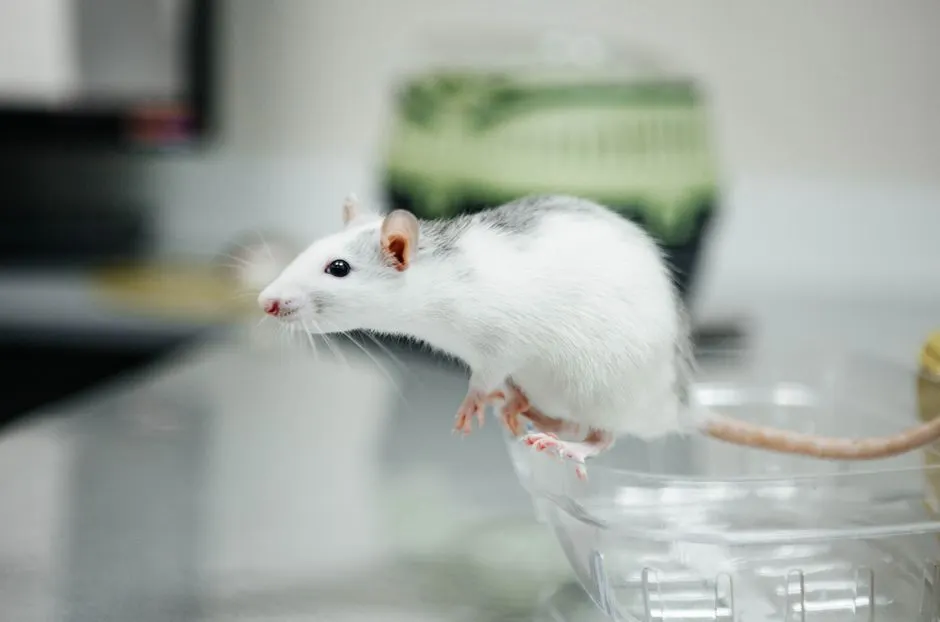
Mice in kitchen drawers and pantry shelves are the most common call we get in Upper Arlington. We trap the active population with snap traps set along the runways, seal the gaps behind the stove and under the sink, and check the back of the cabinets where droppings usually collect. Most homes clear in seven to ten days with two follow-ups.
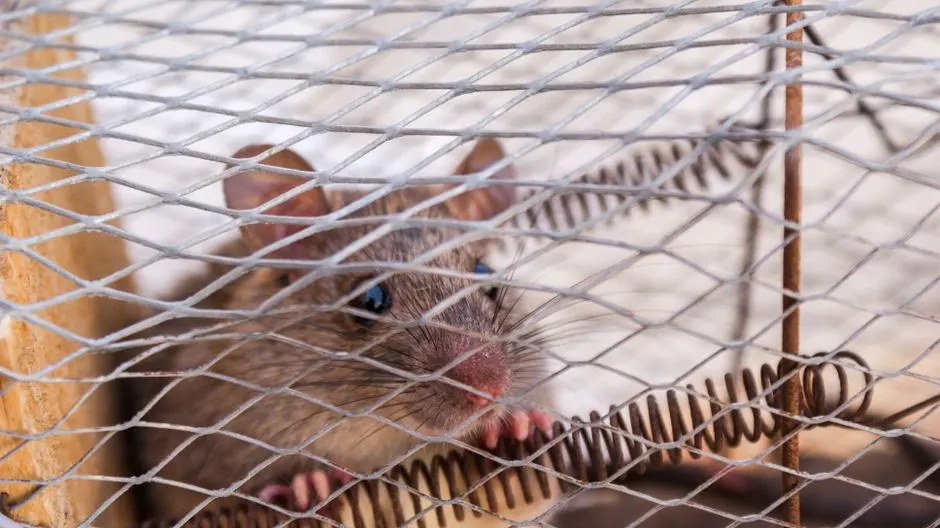
Rats in basements and crawl spaces are common in South Upper Arlington and Downtown Upper Arlington, where the older homes sit close to the Scioto corridor. We camera the crawl space to find the burrow, set tamper-resistant stations and large snap traps, then seal the foundation gaps and the crawl space door so they cannot come back in.
Attic infestations in North Upper Arlington often come with gnawed insulation and droppings along the joists. We trap the attic population, seal the roof returns and soffit gaps with exclusion mesh and hardware cloth, and flag any insulation that has been compressed or contaminated so you know what needs replacing.
This is the permanent fix for an Upper Arlington home. We seal the garage door corners, dryer vents, AC line sets, roof returns, chimney flashing and crawl space doors using copper mesh, steel wool, hardware cloth and exterior-grade sealant. A full proofing job on a 2,000 square foot home runs three to five hours.
- Entry points sealed with copper mesh, steel wool and hardware cloth, not just a wad of insulation.
- Follow-up visits included so we confirm the catch has gone to zero before we close the job.
- Written inspection report with photos of every entry point, so you know exactly what was done.