
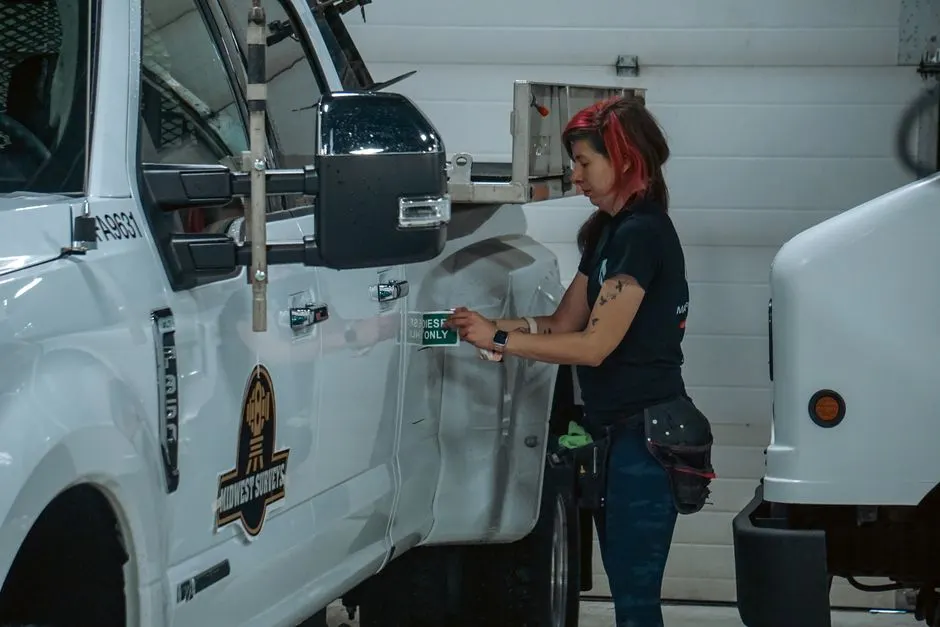
Your local Dry Run Rodent Control team

Rodent Control in Dry Run, Ohio Done Right

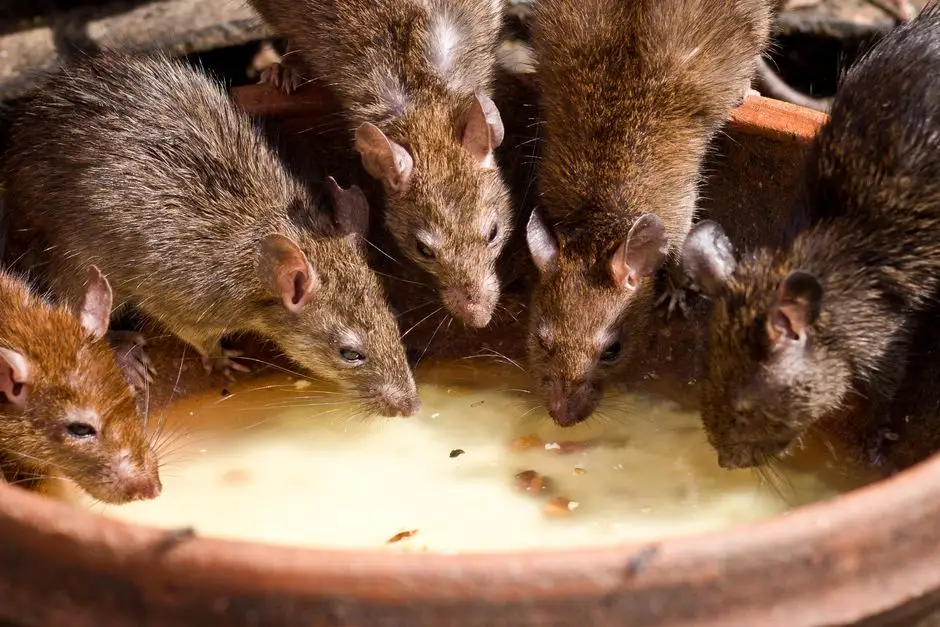
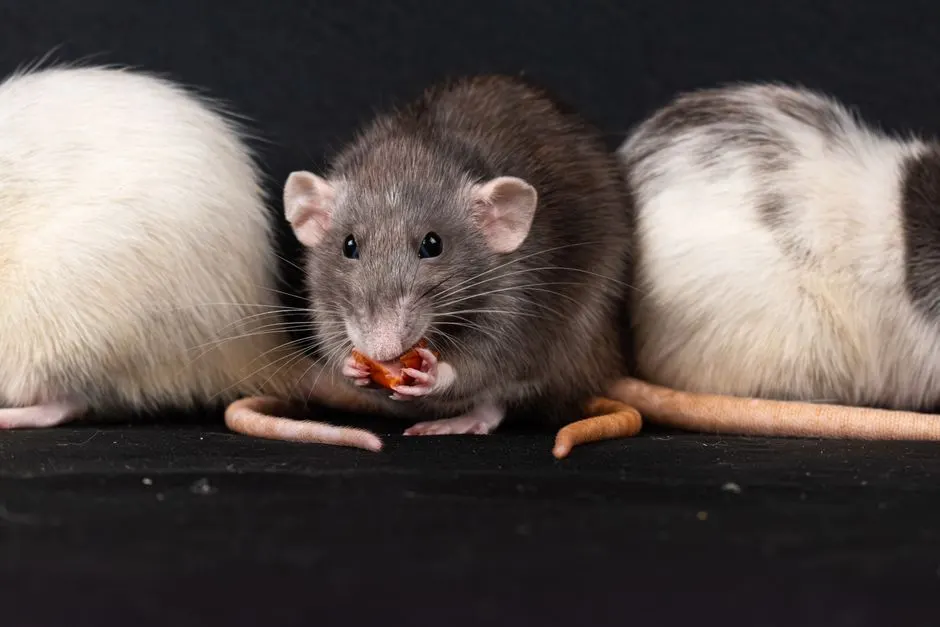
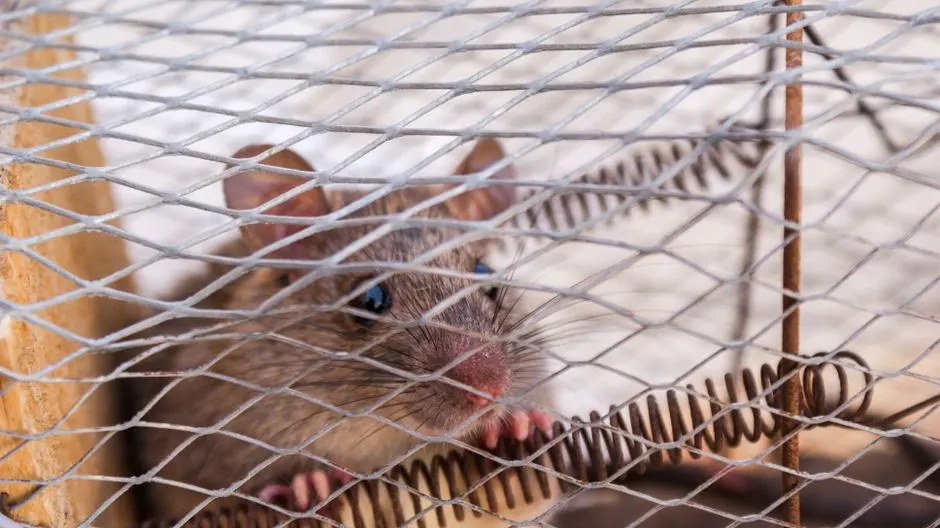
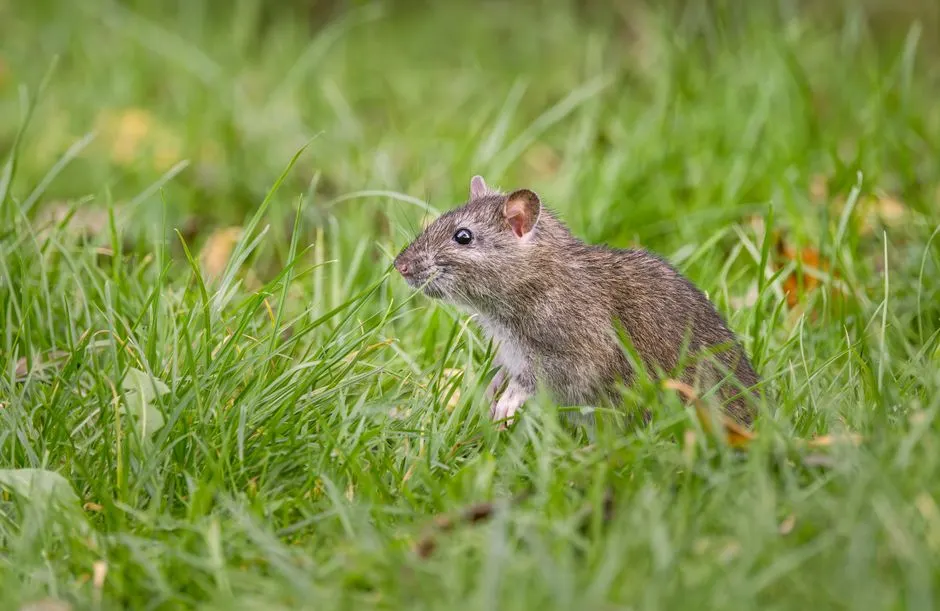
Rodent Control in Dry Run starts with a full inspection of your attic, crawl space, kitchen, and basement. We find the droppings, gnaw marks on wiring, and entry points other companies miss, then seal them with copper mesh, steel wool, and exclusion sealant. Our state-certified technicians trap and remove mice and rats, sanitize the runways, and leave you with a written report. No contracts, no callbacks for the same problem.

↗
Fast online booking

Request service today

Tell us what is happening. Our local team will confirm your visit shortly.

Call Now (614) 543 4965 → No spam. No obligation. Just practical help.
18Years serving Ohio
24/7Emergency response
1,200+Jobs completed

Rodent Control in Dry Run That Actually Works

Rodent Control in Dry Run is a category of pest management that removes and prevents mice, rats, and other rodents from homes and businesses. We have served Dry Run and the surrounding Ohio communities since 2008. Our technicians know the older housing stock, the walk-out basements, and the tree-lined lots that make this area a magnet for fall and winter rodent pressure. We use snap traps, glue boards, live catch traps, and tamper-resistant bait stations placed where rodents actually travel. Every job starts with a full inspection using flashlights and inspection mirrors to check attics, crawl spaces, and wall voids. We then seal entry points with copper mesh, steel wool, and exclusion sealant before we set a single trap. That order matters. Trapping without exclusion just means the next mouse walks in behind the first one. We are licensed by the Ohio Department of Agriculture and carry NPMA membership and QualityPro certification. Whether you have scratching noises in walls or rodent droppings behind the stove, we handle it.

Explore Dry Run services →

Dry Run sits in a part of Ohio where older homes, mature trees, and changing seasons create year-round rodent pressure. We serve this area because the demand is real and the work is specific. Fall brings field mice indoors. Winter drives rats into basements and crawl spaces. Spring and summer expose entry points that were hidden by snow. We keep technicians assigned to this corridor so response times stay short. Our trucks carry the same exclusion materials and bait stations we use on every job, so we are not making a second trip for copper mesh or hardware cloth.

Ohio Rodent Control
Services available in Dry Run

Rodent Control Services Available in Dry Run

Dry Run homeowners and business owners call us for the same core problems: mice in the kitchen, rats in the basement, scratching noises in walls, and droppings in the garage. We deliver the full range of rodent services here, from inspection and trapping to exclusion and rodenticide application. If you are searching for a rodent control company in Dry Run that handles both the removal and the repair, we do that in one visit.

Dependable Rodent Control across OhioRodent ControlOur core rodent control service in Dry Run covers inspection, trapping, exclusion, and sanitation. We check attics, crawl spaces, kitchens, and basements for droppings, gnaw marks, and entry points. Then we seal the structure with copper mesh and exclusion sealant and set snap traps or bait stations where rodents travel. Most homes are rodent-free within two to three visits.See details →Experienced Rodent Control professionals at workMice ExterminationMice in Dry Run often show up in kitchens and pantries first. We use snap traps and glue boards placed along baseboards and inside cabinets, plus bait stations in attics and crawl spaces. Because mice fit through a gap the size of a pencil, we seal every opening with steel wool and caulk before we finish. Expect a full sweep in one to two visits.See details →Rat Extermination you can count onRat ExterminationRats in Dry Run basements and crawl spaces are usually Norway rats that came in through foundation gaps or sewer lines. We inspect with flashlights and mirrors, set tamper-resistant bait stations and snap traps, and seal entry points with hardware cloth and copper mesh. Rat jobs take longer than mice because the population is larger and the entry points are bigger.See details →Rodent Inspection you can count onRodent InspectionA rodent inspection in Dry Run is a top-to-bottom check of your attic, crawl space, basement, kitchen, and exterior perimeter. We look for droppings, gnaw marks on wiring, rub marks, and entry points. You get a written report with photos and a clear plan. This is the right first step if you hear scratching noises in walls but have not seen a rodent yet.See details →Ohio Rodent Control serving OhioRodent RemovalRodent removal in Dry Run means physically removing mice and rats from your home, not just setting bait and hoping. We use snap traps, live catch traps, and glue boards in strategic locations. After removal we bag and dispose of carcasses and sanitize the runways. Most removal jobs are complete within one to two weeks depending on the population.See details →Experienced Rodent Control professionals at workRodent ExclusionRodent exclusion is the permanent fix for Dry Run homes. We seal every gap larger than a quarter inch with copper mesh, steel wool, hardware cloth, and exclusion sealant. We focus on foundation vents, dryer vents, pipe penetrations, garage doors, and rooflines. Exclusion is what stops the next rodent from walking in behind the one we just removed.See details →Ohio Rodent Control serving OhioRodent ProofingRodent proofing in Dry Run goes beyond sealing holes. We install door sweeps, repair damaged vent screens, and reinforce crawl space access doors. We also trim back tree branches that touch the roofline and point out landscaping issues that give rodents a highway into your home. Proofing is a one-day job on most houses and lasts for years.See details →Ohio Rodent Control — Rodent Control you can rely onRodent TrappingTrapping is the safest way to remove rodents from Dry Run homes with pets or small children. We use Victor snap traps and Havahart live catch traps placed inside tamper-resistant stations. Traps are checked on a set schedule, usually every two to three days, until activity stops. We remove and dispose of every rodent we catch.See details →Rodent BaitingRodent BaitingRodent baiting in Dry Run uses tamper-resistant bait stations loaded with rodenticide bait blocks or pellet bait. We place stations along exterior walls, inside crawl spaces, and near dumpsters or loading docks. Stations are locked and labeled so children and pets cannot access them. We check and refill stations on a monthly schedule until activity drops to zero.See details →Dependable Rodent Control across OhioRodenticide ApplicationRodenticide application is a licensed service in Ohio. Our state-certified technicians use rodenticide applicators to place bait blocks, pellet bait, and tracking powder in areas rodents travel. We follow label directions and Ohio Department of Agriculture rules on placement and documentation. This service is common for commercial accounts in Dry Run that need ongoing rodent control.See details →
Who we serve in Dry Run

Two very different jobs. One local crew.

For homes

Residential Rodent Control in Dry Run

Dry Run homes range from older farmhouses with stone foundations to newer builds with attached garages. Each type has its own rodent vulnerabilities. We handle mice in kitchens, rats in basements, and everything in between. Our residential service includes inspection, exclusion, trapping, and sanitation. We work around your schedule and keep you informed at every step.

Whole-home rodent inspection

We inspect your Dry Run home from the attic to the crawl space, checking for droppings, gnaw marks, and entry points. We use flashlights and inspection mirrors to see behind appliances and inside wall voids. You get a written report with photos and a clear plan.

Entry point sealing and exclusion

We seal every gap larger than a quarter inch with copper mesh, steel wool, hardware cloth, and exclusion sealant. We focus on foundation gaps, pipe penetrations, dryer vents, and garage doors. This is the step that keeps rodents from coming back after we remove them.

Trapping and removal

We use Victor snap traps, Havahart live catch traps, and glue boards placed where rodents travel. Traps are checked every two to three days until activity stops. We remove and dispose of every rodent we catch and sanitize the runways.

Attic and crawl space sanitation

Rodents leave droppings and urine in attics and crawl spaces. We remove soiled insulation, treat the area with a sanitizing agent, and replace damaged insulation. This improves air quality and removes the pheromones that attract new rodents.

  • Same-day inspections available when you call before noon.
  • Written report with photos after every visit.
  • 1-year workmanship warranty on exclusion work.

Get a home estimate →
For businesses

Commercial Rodent Control in Dry Run

Dry Run businesses face rodent pressure from dumpsters, loading docks, and shared walls. Restaurants, warehouses, and retail spaces all need ongoing rodent control to pass health inspections and protect their reputation. We provide scheduled bait station monitoring, exclusion work, and documentation for health inspectors. If you need a commercial rodent control company in Dry Run that understands your business, we can help.

  • Restaurants and food service
  • Warehouses and distribution
  • Retail stores
  • Property management
  • Healthcare facilities
Monthly bait station monitoring

We install tamper-resistant bait stations around your Dry Run business and check them monthly. Stations are locked, labeled, and mapped. You get a service log for health inspectors. This keeps rodent activity at zero and documents your due diligence.

Health inspection documentation

Hamilton County health inspectors want to see a rodent control log. We provide written reports with dates, findings, and actions taken. Our documentation has helped restaurants in Dry Run Plaza pass inspections without citations.

After-hours and emergency service

We know commercial clients cannot wait. We offer after-hours scheduling and 24/7 emergency response for active rodent problems. If you have a health inspection coming up, call us and we will prioritize your service.

Exclusion for loading docks and dumpsters

We seal gaps around loading dock doors, repair damaged door sweeps, and install hardware cloth around dumpster enclosures. These are the most common entry points for rats in Dry Run commercial areas. Fixing them stops the cycle of repeated infestations.

Discuss a commercial contract →
Service by service in Dry Run

Every service we run in Dry Run.

Each service below is a full breakdown of how the work is scoped, priced and carried out in this city — not a generic description.

Rodent Control 01
Rodent Control in Dry Run

Rodent Control in Dry Run

Rodent Control in Dry Run means more than setting a few traps. Our team understands how Ohio Valley weather, older brick homes, and new construction along Dry Run Road create perfect entry points for mice and rats. We combine inspection, exclusion, and targeted treatment to keep rodents out for good. From the first visit, you get a plan built for your property, not a generic spray-and-pray approach.

Why Dry Run Rodents Thrive

Dry Run's mix of wooded lots, detached garages, and aging utility lines gives rodents easy travel routes. Colder months push them indoors through foundation gaps and dryer vents. Our rodent control dry run service starts by mapping these pathways, then sealing and treating them so your home stops acting like a shelter.

Year-Round Control Strategies

We schedule quarterly checks that align with Dry Run's seasonal shifts, from spring nesting to fall invasions. Each visit includes fresh bait stations, trap resets, and entry-point reviews. This proactive rhythm keeps rodent pressure low, even when nearby fields are harvested or heavy rain floods burrows.

Safe Treatments for Families

Families in Dry Run need solutions that protect kids and pets. We use tamper-resistant stations and place rodenticide only in secured areas. Our technicians explain every step, so you know what was done and why. That transparency builds trust and delivers lasting rodent control dry run residents can rely on.

  • Complete interior and exterior rodent inspection with written findings
  • Custom baiting and trapping plan based on Dry Run property layout
  • Seal accessible entry points around foundation, vents, and pipes
  • Quarterly follow-up visits to monitor and refresh control measures
Book Rodent Control →
Mice Extermination 02
Mice Extermination in Dry Run

Mice Extermination in Dry Run

Mice extermination in Dry Run requires speed and precision because a single female can start a new infestation in weeks. Our technicians target active nests, runways, and droppings zones inside walls, attics, and crawlspaces. We use a combination of snap traps, bait, and exclusion to eliminate the population and prevent a quick rebound. Every job includes a follow-up to confirm success.

Locating Hidden Mice Nests

Mice in Dry Run often nest in insulation, boxed soffits, and cluttered basements. We use flashlights and tracking dust to find runways and droppings, then place traps directly on those paths. This targeted approach removes the breeding pair faster than random trap placement.

Eliminating Mice Effectively

We combine snap traps, glue boards in secure stations, and limited rodenticide where safe. Because Dry Run has many older homes with gaps around plumbing, we also treat voids behind cabinets and appliances. The goal is to knock down the population quickly, then verify no new activity remains.

Preventing Future Mice Entry

After extermination, we seal cracks wider than a pencil, repair door sweeps, and screen vents. These steps stop mice from returning through the same openings. Homeowners in Dry Run receive a checklist of areas to monitor, plus a warranty visit to ensure the exclusion holds through seasonal changes.

  • Thorough inspection of kitchen, basement, attic, and wall voids
  • Strategic placement of snap traps and tamper-resistant bait stations
  • Removal of nesting materials and sanitation of droppings areas
  • Seal entry points and provide follow-up verification visit
Book Mice Extermination →
Rat Extermination 03
Rat Extermination in Dry Run

Rat Extermination in Dry Run

Rat extermination in Dry Run demands a different approach than mouse control because rats are cautious, strong, and often live in sewers or crawlspaces. Our team uses heavy-duty traps, secured bait stations, and burrow treatment to eliminate the colony. We also identify how rats are entering, whether through broken sewer lines, foundation cracks, or garage gaps. The result is a rat-free property with a prevention plan.

Identifying Rat Activity Zones

Rats leave greasy rub marks, droppings, and burrows along foundations. In Dry Run, we often find Norway rats near retaining walls and roof rats in attics. Our inspection pinpoints these zones so treatment targets the colony, not just random sightings.

Heavy-Duty Rat Removal Tactics

We deploy large snap traps, secured bait blocks, and burrow fumigation where legal. Because rats avoid new objects, we pre-bait and use proven lures. This methodical process removes dominant rats first, which breaks the social structure and speeds up elimination across the Dry Run property.

Sealing Rat Entry Points

Rats can chew through wood, plastic, and even some metals. We seal gaps with copper mesh, concrete, and steel wool, focusing on sewer lines, vents, and garage thresholds. This exclusion work is critical to keep rats from returning after the extermination phase is complete.

  • Inspect for rat burrows, rub marks, and droppings near structures
  • Set heavy-duty traps and secured bait stations in key runways
  • Treat burrows and seal entry points with rodent-resistant materials
  • Schedule follow-up visits to confirm colony elimination
Book Rat Extermination →
Rodent Inspection 04
Rodent Inspection in Dry Run

Rodent Inspection in Dry Run

A rodent inspection in Dry Run is the foundation of any effective control plan. Our certified technicians examine your home from roofline to foundation, looking for droppings, gnaw marks, runways, and entry points. We also assess conducive conditions like clutter, moisture, and vegetation. You receive a detailed report with photos and a prioritized action list, so you understand exactly what is happening and what to do next.

What Our Inspection Covers

We check attics, crawlspaces, basements, kitchens, and garages for rodent evidence. In Dry Run, common findings include droppings behind appliances, gnawed pipes, and grease trails along joists. Each inspection includes moisture readings and structural gap measurements to identify easy access points.

Tools and Techniques Used

Our team uses flashlights, mirrors, borescopes, and tracking dust to see into wall voids and behind cabinets. We also deploy temporary monitoring stations to detect activity over several days. This technology-driven approach gives a clearer picture than a quick visual walk-through.

Your Custom Inspection Report

After the visit, you get a written report with photos, findings, and a recommended treatment plan. We prioritize issues by risk level, so you know what to fix first. This report also serves as a baseline for measuring progress after rodent control dry run services begin.

  • Full-property inspection including attic, crawlspace, and living areas
  • Photo documentation of droppings, gnaw marks, and entry points
  • Moisture and gap assessment to identify conducive conditions
  • Written report with prioritized recommendations and treatment options
Book Rodent Inspection →
Rodent Removal 05
Rodent Removal in Dry Run

Rodent Removal in Dry Run

Rodent removal in Dry Run is a hands-on service that eliminates active rodents from your home or business. We use traps, one-way doors, and safe capture methods to remove mice, rats, and other invaders. After removal, we sanitize affected areas and seal entry points to prevent a repeat. Our technicians work quickly and discreetly, respecting your property and daily routine.

Safe Capture and Removal

We use snap traps, live traps, and glue boards in secured stations to capture rodents. In Dry Run, we often find mice in kitchen voids and rats in crawlspaces. Each animal is removed following state guidelines, and we never leave traps unattended in accessible areas.

Sanitizing Contaminated Areas

Rodent droppings and urine can carry disease. After removal, we treat affected surfaces with hospital-grade disinfectants and remove nesting materials. This step is especially important in Dry Run homes with basements and attics where airflow is limited and odors can linger.

Preventing Reinfestation

Once rodents are gone, we seal gaps, repair screens, and install door sweeps. We also advise on landscaping and storage practices that discourage rodents. This comprehensive approach ensures your Dry Run property stays rodent-free long after the removal is complete.

  • Remove rodents using traps and safe capture techniques
  • Disinfect and deodorize areas contaminated by droppings and urine
  • Seal entry points around foundation, vents, and utility lines
  • Provide prevention tips and schedule a follow-up check
Book Rodent Removal →
Rodent Exclusion 06
Rodent Exclusion in Dry Run

Rodent Exclusion in Dry Run

Rodent exclusion in Dry Run is the permanent solution to keep mice and rats out of your home. We identify every gap, crack, and opening larger than a quarter-inch, then seal them with rodent-resistant materials. This service is ideal for homeowners who want to avoid repeat infestations. Our team also addresses rooflines, vents, and utility penetrations that are common entry points in Dry Run's older housing stock.

Finding Every Possible Entry

We inspect foundations, siding, rooflines, and utility chases for gaps. In Dry Run, common entries include dryer vents, cable holes, and worn garage door seals. We also check attic vents and chimney flashing, which rats and mice can exploit during seasonal migrations.

Rodent-Resistant Sealing Materials

We use copper mesh, steel wool, concrete, and metal flashing to block entry points. These materials withstand gnawing and weather changes. For Dry Run homes, we pay special attention to areas where older mortar has crumbled, sealing them before rodents can return.

Long-Term Exclusion Results

After sealing, we verify that no new gaps have opened and that existing repairs hold. Exclusion is the most cost-effective way to prevent future rodent control dry run calls. Homeowners receive a warranty on workmanship, giving peace of mind that the barrier will last.

  • Inspect and seal all gaps larger than a quarter-inch
  • Install copper mesh, steel wool, and metal flashing at entry points
  • Repair damaged vents, screens, and door sweeps
  • Provide warranty and follow-up inspection to ensure exclusion holds
Book Rodent Exclusion →
Rodent Proofing 07
Rodent Proofing in Dry Run

Rodent Proofing in Dry Run

Rodent proofing in Dry Run goes beyond sealing cracks; it creates a defensive envelope around your property. We combine exclusion, sanitation, and habitat modification to make your home less attractive to rodents. This service is perfect for homeowners who want to avoid future infestations. Our technicians understand Dry Run's unique challenges, from wooded lots to aging infrastructure, and tailor proofing to your specific structure.

Exterior Proofing Techniques

We seal foundation gaps, install vent screens, and repair roofline openings. In Dry Run, we also address gaps around utility meters and AC lines. These exterior fixes stop rodents before they find a way inside, reducing the need for reactive treatments.

Interior Proofing Measures

Inside, we seal voids behind appliances, cabinets, and baseboards. We also install door sweeps and repair damaged drywall. For Dry Run homes with basements, we focus on sill plates and floor drains, which are common entry points for mice and rats.

Habitat Modification Advice

We advise on landscaping, storage, and waste management to remove food and shelter. Simple changes like trimming shrubs away from the foundation and using sealed bins can make a big difference. This holistic approach ensures your rodent proofing dry run service delivers lasting results.

  • Seal exterior gaps around foundation, vents, and utility penetrations
  • Install door sweeps and repair interior voids behind cabinets
  • Provide habitat modification recommendations for yard and storage
  • Schedule annual proofing review to maintain rodent-free status
Book Rodent Proofing →
Rodent Trapping 08
Rodent Trapping in Dry Run

Rodent Trapping in Dry Run

Rodent trapping in Dry Run is a targeted method to remove mice and rats without relying solely on rodenticides. Our technicians place traps along runways, near nests, and at entry points. We use a mix of snap traps, live traps, and glue boards in secured stations. This approach is ideal for homes with pets or children, and it allows us to monitor activity closely until the population is eliminated.

Strategic Trap Placement

We identify runways by looking for droppings, grease marks, and gnawed surfaces. In Dry Run, traps are often set in attics, basements, and behind kitchen appliances. Proper placement is key to a successful rodent trapping dry run program, so we avoid random trap scattering.

Types of Traps We Use

We deploy snap traps for quick kills, live traps for relocation where legal, and glue boards in monitored stations. Each trap is checked regularly to ensure humane treatment and timely removal. This variety lets us adapt to the specific rodent species and site conditions in Dry Run.

Monitoring and Follow-Up

Trapping is not a one-time event. We schedule follow-up visits to check traps, remove captured rodents, and adjust placement as needed. This ongoing monitoring confirms that the infestation is cleared and helps prevent a rebound from nearby populations.

  • Place snap, live, and glue traps along active rodent runways
  • Check traps regularly and remove captured rodents safely
  • Adjust trap placement based on activity and species
  • Provide follow-up visits until no new activity is detected
Book Rodent Trapping →
Rodent Baiting 09
Rodent Baiting in Dry Run

Rodent Baiting in Dry Run

Rodent baiting in Dry Run uses approved rodenticides in secure, tamper-resistant stations to reduce rodent populations. This method is effective for larger infestations or when trapping alone is not enough. Our technicians place stations along runways and near burrows, then monitor consumption to gauge success. Safety is paramount, so we keep bait away from children, pets, and non-target wildlife.

Safe Bait Station Placement

We position stations in areas with high rodent activity, such as along foundations, in crawlspaces, and behind appliances. In Dry Run, we often use locked stations to prevent access by pets and wildlife. Each station is mapped and numbered for easy monitoring.

Monitoring Bait Consumption

During follow-up visits, we check how much bait has been eaten and replace it as needed. This data tells us whether the population is declining. We adjust the baiting strategy if consumption remains high, ensuring the rodent baiting dry run program stays on track.

Safety and Regulations

We follow all Ohio and EPA regulations for rodenticide use. Only licensed technicians handle and apply bait. We also inform you of the products used and any precautions to take. This commitment to safety protects your family and the environment while eliminating rodents.

  • Install tamper-resistant bait stations in key rodent activity zones
  • Monitor bait consumption and replenish stations on follow-up visits
  • Use EPA-approved rodenticides according to Ohio regulations
  • Provide safety documentation and clear communication with homeowners
Book Rodent Baiting →
Rodenticide Application 10
Rodenticide Application in Dry Run

Rodenticide Application in Dry Run

Rodenticide application in Dry Run is a precise service for controlling severe rodent infestations. Our licensed technicians use EPA-approved products in targeted areas, following strict safety protocols. We apply bait in secured stations, burrows, and other harborage sites. This method is not a standalone fix; it is combined with exclusion and sanitation to deliver lasting results. You receive documentation of all products used.

Targeted Application Methods

We place rodenticide in tamper-resistant stations, burrow treatments, and void spaces where rodents travel. In Dry Run, we often treat crawlspaces and attics with limited-access bait blocks. This targeted approach minimizes risk to non-target animals while maximizing effectiveness.

Regulatory Compliance and Safety

All applications follow Ohio Department of Agriculture and EPA guidelines. We use only approved active ingredients and document every placement. Before application, we assess the site for pets, children, and wildlife. This diligence ensures the rodenticide application dry run service is both legal and safe.

Integrating with Other Services

Rodenticide works best when paired with trapping, exclusion, and proofing. We sequence treatments so that baiting reduces the population while exclusion prevents re-entry. This integrated strategy is how we achieve long-term rodent control in Dry Run homes and businesses.

  • Apply EPA-approved rodenticides in tamper-resistant stations
  • Document all product placements and active ingredients used
  • Assess site for safety hazards before and after application
  • Combine baiting with exclusion and trapping for lasting results
Book Rodenticide Application →
More than a service list

How We Execute Rodent Control in Dry Run

Every rodent control job in Dry Run follows the same sequence: inspect, seal, trap, monitor. We start with a full inspection of the attic, crawl space, basement, kitchen, and exterior perimeter. We use flashlights and in

Older stone foundations with mortar gaps

Stone foundations in Dry Run's older neighborhoods have dozens of small gaps where mortar has crumbled. Mice and rats use these gaps as entry points. A visual inspection from the outside often misses them because they are hidden behind landscaping or below grade.

How we help: We inspect the foundation from inside the basement and crawl space, where the gaps are visible. We seal them with copper mesh packed into the gap and covered with hydraulic cement or exclusion sealant. This stops rodents from entering through the foundation wall.

Mature trees touching rooflines

Dry Run has many mature oak and maple trees. When branches touch the roof or gutters, squirrels and rats use them as bridges. This is one of the most common ways rodents get into attics here. Homeowners often do not connect the tree to the scratching noise.

How we help: We point out any branches within three feet of the roofline and recommend trimming. We also seal the roof-to-wall intersection and any gaps around soffit vents with hardware cloth and exclusion sealant. That closes the attic entry point even if the tree stays.

Damp crawl spaces that attract rodents

Many Dry Run homes have crawl spaces that stay damp because of poor drainage or missing vapor barriers. Damp wood and insulation make an ideal nesting site for mice and rats. Rodent damage to insulation is common in these spaces.

How we help: We remove soiled insulation, treat the crawl space with a sanitizing agent, and set traps or bait stations. We also recommend a vapor barrier and improved drainage. Fixing the moisture does not remove the rodents, but it makes the space less attractive after we clear them out.

Reviews from Dry Run customers

What Dry Run Customers Say

4.9★★★★★verified reviews
★★★★★
“We had scratching noises in the walls for weeks. Ohio Rodent Control came out the same day, found the entry point in our stone foundation, and sealed it. They set traps and checked them every few days until the noise stopped. Professional, on time, and they explained everything. Worth every penny.”
KM

Karen M.Dry Run Creek area

Verified
★★★★★
“I manage a restaurant in Dry Run Plaza and we had a rat problem behind the dumpster. These guys installed bait stations, fixed the door sweep, and sealed a gap in the fence. The rats were gone in a week. They come monthly now and keep a log for the health inspector. No more issues.”
DR

Dave R.Dry Run Plaza

Verified
★★★★★
“Mice in the kitchen and attic. They sealed the garage door and a pipe under the sink, set traps, and gave us a report with photos. We caught seven mice the first week and none after. They also told us to trim a tree branch that was touching the roof. Honest and thorough.”
LT

Lisa T.Dry Run Ridge

Verified
Recent work in Dry Run

Recent Rodent Control Results in Dry Run

These are real jobs we have completed in Dry Run. They show the range of problems we see and the results we deliver. Every job includes inspection, exclusion, and follow-up. No shortcuts.

01 Dry Run Creek area

The problem

Homeowner on the creek side heard scratching noises in walls for three weeks and found droppings in the kitchen pantry.

What we did

We inspected the attic and crawl space and found a gap in the stone foundation where mice were entering. We sealed it with copper mesh and exclusion sealant, set snap traps along the pantry baseboards, and placed bait stations in the crawl space. Follow-up visits were scheduled every three days for two weeks.

The result

No more scratching noises after the first week. We caught 11 mice total and sealed four entry points. The homeowner has not seen droppings since.

02 Dry Run Plaza

The problem

A restaurant in Dry Run Plaza reported rats behind the dumpster and gnaw marks on a storage room door.

What we did

We inspected the loading dock and dumpster enclosure and found a gap under the fence and a damaged door sweep. We installed tamper-resistant bait stations around the perimeter, replaced the door sweep, and sealed the fence gap with hardware cloth. We also set snap traps inside the storage room.

The result

Rat activity dropped to zero within 10 days. We now service the account monthly with bait station checks. The health inspector noted the rodent control log during the next visit.

03 Dry Run Ridge

The problem

A family in Dry Run Ridge had mice in the kitchen and attic. They had tried glue boards and store-bought bait without success.

What we did

We found entry points at the garage door seal and a pipe penetration under the kitchen sink. We sealed both with steel wool and caulk, set Victor snap traps in the attic and kitchen, and placed bait stations in the garage. We also pointed out a tree branch touching the roof and recommended trimming.

The result

We caught 7 mice in the first week and none in the second. The family has been rodent-free for six months. They trimmed the tree and we re-sealed the roof intersection.

Early warning signs

Signs You Need Rodent Control in Dry Run

01

Scratching noises in walls at night

02

Droppings in kitchen drawers or pantry

03

Gnaw marks on wiring or pipes

04

Grease rub marks along baseboards

05

Pet food or birdseed disappearing overnight

Have us take a look →
Dry Run problem patterns

Common Rodent Problems in Dry Run

Dry Run has a mix of older homes, mature trees, and changing seasons that create specific rodent problems. Fall and winter are the busiest times, but we get calls year-round. Here are the issues we see most often and how we handle them.

01

Mice in the kitchen during fall and winter

Why it happens: When temperatures drop in Dry Run, field mice move indoors looking for warmth and food. Older homes with stone foundations have many small gaps that mice can squeeze through. Once inside, they head for the kitchen.

Our approach: We seal foundation gaps with copper mesh and exclusion sealant, set snap traps along kitchen baseboards, and place bait stations in the attic and crawl space. We also check under the sink and behind the stove for entry points.

02

Rats in basements and crawl spaces

Why it happens: Norway rats are common in Dry Run. They burrow under foundations and enter through sewer lines or gaps around pipes. Damp crawl spaces with damaged insulation make ideal nesting sites. Rats are larger and more destructive than mice.

Our approach: We inspect the foundation from inside and out, set tamper-resistant bait stations and snap traps, and seal entry points with hardware cloth and copper mesh. We also remove and replace damaged insulation and sanitize the area.

03

Scratching noises in walls from attic infestations

Why it happens: Squirrels and rats often enter attics through gaps at the roofline or soffit vents. In Dry Run, tree branches touching the roof make it easy. Once inside, they travel through wall voids, which is why you hear scratching at night.

Our approach: We seal the roof-to-wall intersection and soffit vents with hardware cloth, set traps in the attic, and remove any nesting material. We also recommend trimming tree branches within three feet of the roof.

04

Rodent damage to insulation in crawl spaces

Why it happens: Mice and rats tunnel through crawl space insulation, compressing it and leaving droppings behind. This reduces your home's energy efficiency and creates a health hazard. Damp crawl spaces in Dry Run make the problem worse.

Our approach: We remove soiled insulation, treat the space with a sanitizing agent, and install new insulation after the rodents are gone. We also seal entry points and recommend a vapor barrier to control moisture.

Dry Run through the year

How Seasons Affect Rodent Control in Dry Run

Dry Run has four distinct seasons, and each one brings a different rodent challenge. Fall and winter are the busiest for us because rodents move indoors. Spring and summer are when we focus on prevention and exterior exclusion. Here is what to expect each season.

Spring

Spring is when rodents that overwintered indoors start moving back outside. You may see fewer droppings, but the entry points they used are still open. This is the best time to seal your home before next fall.

Tip: Schedule an inspection in spring to find and seal entry points. It is easier to work on the exterior before landscaping fills in.

Summer

Summer rodent activity is lower indoors, but exterior populations stay active. Rats in sewers and mice in fields are common. Commercial buildings with dumpsters see steady pressure. This is a good time for preventive baiting.

Tip: Keep dumpster lids closed and trim vegetation away from your foundation. If you have a commercial account, maintain monthly bait station checks.

Fall

Fall is the start of rodent season in Dry Run. Field mice and rats move indoors as temperatures drop. This is when we get the most calls for mice in kitchens and scratching noises in walls. Early action is key.

Tip: Call for an inspection in early fall before rodents find their way in. Sealing entry points now prevents a winter infestation.

Winter

Winter is peak rodent season. Mice and rats are already inside, and they are breeding. You may hear more scratching, find more droppings, and see gnaw marks. Attic and crawl space infestations are most common now.

Tip: Do not wait if you hear noises. Call us for same-day inspection. The longer rodents stay, the more damage they cause to wiring and insulation.

We know the route

Navigating Dry Run: Landmarks We Use

Dry Run is a small community, but knowing the landmarks helps us move fast. We use the creek, the main crossroads, and the school as orientation points when we dispatch. If you are giving directions, mention the nearest landmark and we will find you. Our technicians carry maps and know the side streets that GPS sometimes misses.

Dry Run Creek

The creek runs through the center of the community and serves as a natural dividing line. When you tell us you are on the north or south side of the creek, we know which route to take and which streets connect.

Dry Run Elementary School

The school is a central landmark on the main road. We use it as a reference point for scheduling around school traffic and for locating nearby residential streets.

Dry Run United Methodist Church

The church sits at a key intersection. It helps us identify the surrounding blocks quickly, especially when addresses are not clearly marked.

Primary Dry Run response zone
Dry Run service coverage

Is your ZIP on the route?

These are our most frequently served ZIP codes. Nearby areas may also qualify—call if you do not see yours.

45244
Popular neighborhoods

Dry Run Creek area · Dry Run Ridge · Old Dry Run Village · Dry Run Farms

Check my address →
Dry Run Rodent Control FAQ

FAQs About Rodent Control in Dry Run

Our team can help if your question is not answered here.

Call (614) 543 4965 →

Typical 2026 pricing in Dry Run runs $180 to $450 for an initial inspection and treatment. Exclusion work adds $200 to $600 depending on the number of entry points. Commercial bait station monitoring starts at $95 per month. We provide a written estimate before we start, so you know the full cost upfront.

Most residential rodent removal jobs in Dry Run take one to two weeks. We set traps on the first visit and check them every two to three days. Mice jobs usually wrap up in one week. Rat jobs take longer because the population is larger and the entry points are bigger. We do not stop until activity is zero.

Yes. We handle mice and rats in Dry Run homes and businesses. Mice are smaller and fit through gaps the size of a pencil. Rats are larger and often enter through foundation gaps or sewer lines. We use different traps and bait stations for each and seal entry points accordingly.

Call us for a same-day inspection. Scratching noises in walls usually mean rodents are traveling between the attic and the kitchen or basement. The sooner we inspect, the sooner we can seal the entry point and set traps. Waiting gives them time to cause more damage to wiring and insulation.

Yes. We use tamper-resistant bait stations that lock and cannot be opened by pets or children. Inside your home, we rely on snap traps and glue boards placed in areas pets cannot reach. We also use live catch traps when requested. Every product we use is applied according to Ohio Department of Agriculture rules.

Credentials on file

Licensed, Insured, and Local

Licenses

Ohio Department of Agriculture Pesticide Applicator License
State-certified rodent control technician

Certifications

QualityPro
National Pest Management Association
NPMA Membership
National Pest Management Association

Insurance

Westfield Insurance
$2M general liability

Local affiliations

  • Dry Run Chamber of CommerceMember
  • Ohio Pest Management AssociationMember
Ohio Rodent Control ready to serve Dry Run
Dry Run team is ready

Need Rodent Control in Ohio Today?

Call now for same-day service from licensed technicians. We serve the entire state and offer free estimates. Do not wait until rodents cause more damage.

Book Dry Run service →24/7: (614) 543 4965
Request Dry Run service

Send the details. We'll handle the next step.

Tell us what you are seeing and where you are located. Our team will call to confirm the right appointment type and timing.

Dry Run service hubDry Run, Ohio(614) 543 4965Open 24 hours · 7 days a week
Tap to call(614) 543 4965