Why do I hear scratching in my walls at night in Ohio
Scratching in walls at night in Ohio almost always means mice or rats moving through voids to food and warmth. Here is how to confirm it and stop it.
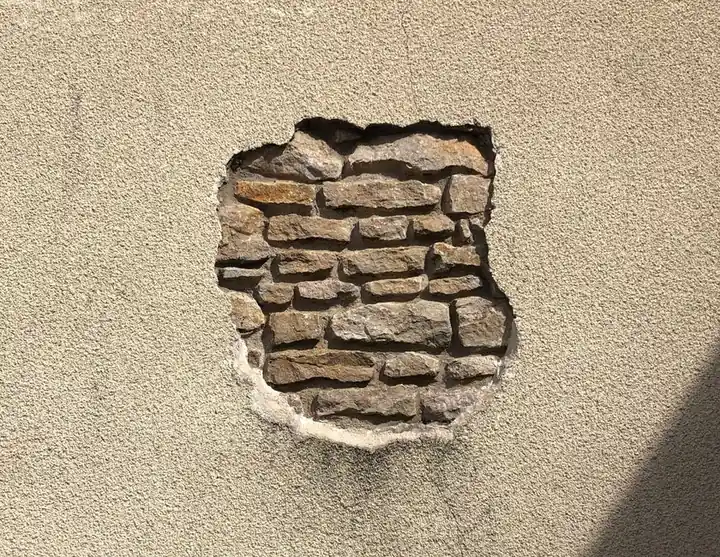
Scratching in walls at night in Ohio is almost always rodents - most often house mice or Norway rats moving through the hollow voids between your drywall and exterior sheathing. They scratch, gnaw, and scurry after dark because that is when they feel safe feeding and exploring. The rest of this post explains exactly what you are hearing, how to confirm it, and how to make it stop.
We are Ohio Rodent Control, and we handle this call every week from Columbus to Cleveland. If you would rather skip the detective work, our team can be at your door with a flashlight and a clipboard. But read on first - you will learn a lot about your house in the next five minutes.
One quick definition before we go further: scratching in walls at night in Ohio is the sound of a rodent's claws and body brushing against wood framing, insulation, and pipe chases inside a wall cavity. It is not settling, it is not the furnace, and it is not your imagination.
Why the scratching starts after dark
Rodents are nocturnal by nature, and Ohio's cold months push them indoors in a hurry. Mice and rats are crepuscular, meaning they are most active in the hour after sunset and the hour before sunrise. During the day they hunker down in wall voids, attic insulation, or under kitchen cabinets, which is why you rarely hear them at noon.
The scratching gets louder at night for three reasons:
- Ambient noise drops. Traffic, TVs, and dishwashers mask the sound during the day. At 2 a.m., a mouse's claws on a stud sound like a tiny drum solo.
- Rodents are commuting. They follow the same runways every night - from a gap near the foundation, up through a wall cavity, across the attic, and down to a food source in the kitchen.
- They are gnawing. Rodent incisors grow about 5 inches per year, so they file them down constantly on wood, drywall, and copper pipe. That gnawing is what you hear as a scrape or a scratch.
In Ohio, the problem spikes from October through March. Once the first hard freeze hits, field mice and deer mice move inside looking for a 65°F wall cavity instead of a 20°F woodpile. If you are reading this in November, you are in the middle of the busiest rodent season of the year.
What animal scratches in walls at night in Ohio?
In Ohio homes, the animal scratching in your walls at night is a house mouse about 85% of the time, with Norway rats making up most of the rest. Both species are common across the state, and both will happily live inside a wall for months without ever showing themselves.
Here is how the two compare:
- House mouse: body 2.5-3.75 inches, tail another 3 inches. Drops 40-60 droppings per night. Sounds like light, fast scratching or a faint scurrying.
- Norway rat: body 7-9.5 inches, tail up to 8 inches. Drops 30-50 larger droppings per night. Sounds heavier - a thud, a scrape, sometimes a squeak.
Occasionally, homeowners in older neighborhoods mistake a squirrel or a flying squirrel for a rat. Squirrels are active at dawn and dusk, not at 3 a.m., and they usually enter through the roofline rather than the foundation. If the noise is coming from the attic ceiling rather than the wall behind your bed, that is a different animal and a different job.
We see this constantly in Rodent Control in Columbus, where 1920s brick homes have dozens of unsealed penetrations for gas lines, cable, and dryer vents. Those gaps are open doors for mice.
Mice or rats scratching in walls? How to tell
You can usually tell mice from rats by the sound, the droppings, and the size of the entry holes. Mice need only a 1/4-inch gap - about the width of a pencil. Rats need a 1/2-inch gap, roughly the diameter of a quarter.
Look for these signs:
- Droppings. Mouse droppings are 1/8 to 1/4 inch, pointed at both ends. Rat droppings are 1/2 to 3/4 inch, blunt and capsule-shaped.
- Grease marks. Rodents leave dark smudges along baseboards and pipes where their oily fur rubs the surface.
- Gnaw marks. Fresh wood shavings under a cabinet or near a pipe chase mean active chewing.
- Nests. Shredded paper, insulation, and fabric in a wall void or attic corner.
If you find droppings in the kitchen, you likely have mice. If you find them in the basement near a floor drain, rats are more likely. Either way, the fix is the same: remove the food, seal the entry, and trap what is already inside.
How to stop scratching in walls at night in Ohio
Stopping scratching in walls at night in Ohio means three things: cut off the food, seal the entry points, and remove the rodents already inside. Doing only one of those three will not work.
Start with the food. Rodents need about 1/10 of an ounce of food per day, so a single spilled bag of dog food can support a dozen mice. Move cereal, pasta, and pet food into glass or metal containers. Wipe down counters before bed. Take the trash out nightly.
Then seal the outside. Walk your foundation and look for gaps around:
- Gas, water, and electrical lines
- Dryer vents and HVAC penetrations
- Door sweeps and garage thresholds
- Foundation cracks and weep holes
Steel wool works for small gaps, but rodents pull it out. Copper mesh plus sealant is the durable fix. For larger openings, we use cement board or hardware cloth. Our Rodent Proofing in Ohio service covers the full exterior envelope, including the roofline where squirrels and mice enter from trees.
Finally, remove what is already inside. Snap traps and glue boards work, but placement matters. Set them along walls, not in the middle of the room, because rodents run with their whiskers touching a vertical surface. Peanut butter mixed with a little oatmeal is the bait we have the most luck with in Ohio homes.
If you have rats, traps alone rarely finish the job. Rats are neophobic - they avoid new objects for several days. That is why we often pair trapping with Rodent Baiting in Ohio in exterior stations, which knocks down the population before we seal the structure.
Common mistakes homeowners make
The biggest mistake is sealing the hole before the rodents are gone. If you close the entry with mice still inside, they die in the wall and you trade scratching for a smell that lasts six weeks.
Other mistakes we see on almost every call:
- Using poison indoors. Rodenticide inside a wall void is a recipe for dead-rodent odor and secondary poisoning of pets.
- Setting one trap. A single mouse can have a 30-foot territory. You need 6-12 traps for a typical infestation.
- Ignoring the attic. Mice often travel from the foundation to the attic and back. If you only treat the kitchen, they will return.
- Assuming it is a one-time thing. Without exclusion work, a new family moves in within weeks.
We see these mistakes most often in Rodent Control in Cleveland, where century homes have brick foundations that crumble just enough to let a mouse through. The fix is the same everywhere: inspect, remove, seal, and verify.
When to call a professional
Call a professional when you hear scratching for more than three nights in a row, when you find droppings in food areas, or when you have seen a live rodent during the day. Daytime sightings usually mean the population is large enough that the young males are being pushed out of the nest.
We also get calls when homeowners have tried traps for two weeks with no results. At that point, the issue is usually a misidentified entry point or a rat population that needs baiting before trapping.
Our team at Ohio Rodent Control starts every job with a full inspection. We map the runways, identify the species, and give you a written plan with pricing before we set a single trap. You can see how we handle the full process on our Rodent Control in Ohio page.
We work across Central Ohio and Northeast Ohio, including Rodent Control in Akron, where older rubber factories and warehouse districts create rodent pressure that spills into nearby neighborhoods. If you are within an hour of Columbus, we can usually get eyes on your problem within 24 to 48 hours.
Frequently Asked Questions
Why do I hear scratching in my walls at night in Ohio?
You hear scratching at night because mice and rats are nocturnal and Ohio's cold months drive them indoors. They move through wall voids after dark to reach food and warmth. The sound is claws on wood framing and drywall, plus gnawing on pipes and studs.
What rodent makes scratching noises in walls at night in Ohio?
House mice cause about 85% of wall-scratching calls in Ohio, with Norway rats making up most of the rest. Mice produce light, fast scratches; rats produce heavier scrapes and thuds. Squirrels are possible but usually active at dawn and dusk, not the middle of the night.
How do I get rid of scratching in my walls in Ohio?
Remove the food source, seal every exterior gap larger than a quarter-inch, and trap the rodents already inside before you close anything up. Expect 2-3 weeks of trapping for mice and 3-6 weeks for rats, depending on population size. Professional exclusion work speeds this up considerably.
Is scratching in walls at night a sign of rodents in Ohio?
Yes, in almost every case. Scratching, scurrying, and gnawing sounds inside a wall are the top three indicators of a rodent infestation. Confirm it by checking for droppings, grease marks, and gnaw damage near the wall where you hear the noise.
Should I call a rodent control company for scratching in walls in Ohio?
Call a professional if the scratching lasts more than three nights, if you find droppings near food, or if you see a rodent during daylight. DIY traps can work for a small mouse problem, but rats and repeat infestations usually need inspection, baiting, and exclusion work.
Get help with Rodent Control in Ohio
If the scratching in your walls has moved from occasional to every night, do not wait for the problem to get worse. Rodents chew wiring, contaminate food, and reproduce fast - a pair of mice can become 30 in a single season.
Call Ohio Rodent Control at (614) 543 4965. We will inspect your home, identify the species, and give you a clear plan to get the noise out of your walls for good.