Rodent Inspection Checklist for Ohio Rental Properties
A room-by-room rodent inspection checklist for Ohio rental properties, plus who pays, how often to inspect, and the signs that mean it's already a problem.
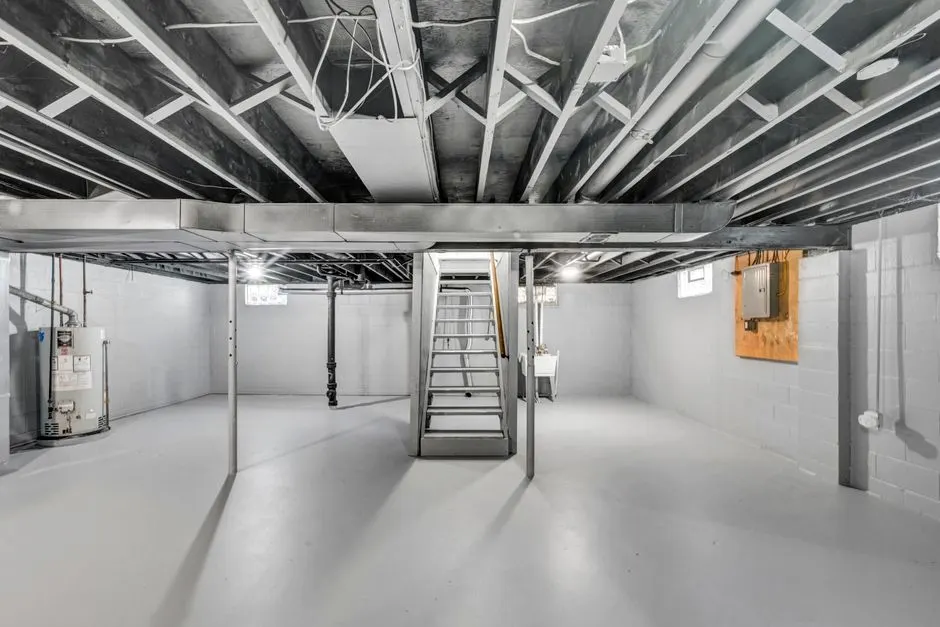
A rodent inspection checklist for Ohio rental properties is a documented, room-by-room walkthrough that looks for entry points, droppings, gnaw marks, nesting material, and moisture - and then assigns a fix and a deadline to each finding. In Ohio, the inspection matters because a landlord is legally on the hook for keeping a rental unit fit and habitable, and rodents are one of the fastest ways a unit stops being habitable. We run these inspections year-round, and the checklist below is the same one our technicians use when we walk a duplex in Clintonville or a four-unit in Parma.
What follows is the actual checklist, plus who pays for what under Ohio law, how often to inspect, and the mistakes that turn a $300 problem into a $3,000 one.
What should be on a rodent inspection checklist for Ohio rental properties?
A complete rodent inspection checklist for Ohio rental properties covers five categories: exterior entry points, interior harborage, food and water sources, evidence of activity, and sanitation. If your checklist only covers one of those, you are inspecting for mice, not for the conditions that keep mice coming back.
Here is the short version we hand to property managers:
- Exterior: foundation gaps, utility penetrations, dryer vents, garage door seals, roofline and soffit gaps, tree branches within 6 feet of the roof.
- Interior: basement rim joists, crawlspace vapor barrier, under kitchen and bathroom sinks, behind appliances, attic insulation, wall voids near plumbing stacks.
- Food and water: unsealed trash, pet food left out, dripping pipes, condensate lines, standing water in the basement.
- Evidence: droppings, urine stains under UV, grease rub marks along baseboards, gnaw marks on wiring or PVC, shredded insulation, burrows in mulch.
- Sanitation: clutter in shared storage, cardboard stacked against exterior walls, unsealed recycling bins.
Ohio's climate makes this a 12-month problem, not a fall-only problem. Norway rats and house mice do not hibernate. They move indoors when the first hard freeze hits - usually late November in central Ohio, earlier in the northeast - and they stay until spring. A rental that passed a September walkthrough can be active by December.
If you want a second set of eyes on a building you already own, our Rodent Inspection in Ohio service is built around this exact checklist, with photos and a written scope you can hand to a contractor.
Room-by-room checklist for Ohio rental property rodent inspection
Walking a rental room by room is the only way to catch the entry points that a quick look at the kitchen misses. Here is how we sequence it, starting outside and working in.
Exterior perimeter (15-20 minutes for a single-family rental)
Start at the foundation and work clockwise. Look for any gap wider than a quarter - a mouse needs 1/4 inch, a rat needs 1/2 inch. Check the gas line, the A/C line set, the cable and phone penetrations, and the dryer vent. Those four spots account for most of the rodent entries we find in older Ohio housing stock.
Check the garage door bottom seal. If you can see daylight under it, a mouse can walk through. Check the roofline for gaps at the soffit and fascia, especially on homes built before 1970 where the original wood has shrunk.
Basement and crawlspace
This is where most Ohio infestations start. Look at the rim joist - the band of wood where the foundation meets the floor framing. Mice run that ledge like a highway. Check the crawlspace vapor barrier for tears, and look for burrows in any exposed dirt.
Look up. Plumbing stacks, electrical runs, and HVAC chases all create voids. If you see rub marks - dark, greasy streaks about 1 to 2 inches wide - you have a runway, not a one-time visitor.
Kitchen and laundry
Pull the refrigerator and the stove out. Look at the back of the cabinets, especially the cabinet under the sink. Check the dishwasher line penetration and the drain line where it enters the wall. A dripping supply line under the sink is a water source, and a water source plus a food source equals a permanent rodent population.
Check the gap between the cabinet toe kick and the floor. In a lot of Ohio rentals, that gap is 3/4 inch and runs the length of the kitchen.
Bathrooms and utility closets
Look behind the toilet and under the vanity. Check the water heater closet - the vent at the top and the gas line at the bottom are both common entry points. Look at the floor drain if there is one.
Living areas and bedrooms
Check the baseboards, especially in corners and behind furniture. Look at the closets - mice will nest in stored boxes, winter coats, and anything left on the floor. Check the attic access panel for gaps.
Attic
Look at the insulation for tunnels and nesting. Check the roof vents, the gable vents, and any plumbing or electrical penetrations through the top plates. A squirrel-sized hole is a rat highway.
If you are managing a scattered-site portfolio across multiple Ohio cities, the checklist does not change, but the building stock does. The 1920s double-bricks in Rodent Control in Dayton have different failure points than the 1990s vinyl-sided rentals in Dublin or Hilliard.
Who is responsible for rodent control in Ohio rentals?
In Ohio, the landlord is responsible for rodent control in most rental situations, because Ohio Revised Code 5321.04 requires the landlord to keep the premises in a fit and habitable condition and to comply with all applicable building, housing, and health codes. A rodent infestation is a health and safety issue, not ordinary wear and tear.
The tenant's side of the ledger is real, though. Ohio Revised Code 5321.05 requires tenants to keep the unit reasonably clean and safe, dispose of trash properly, and use fixtures and appliances in a reasonable manner. If a tenant leaves food out, stacks cardboard against the foundation, or never reports a leak under the sink, that is on them.
Where the line usually lands:
- Landlord: structural entry points, roof and foundation gaps, plumbing leaks, shared trash areas, exterior bait stations, and any treatment that requires access to wall voids or the attic.
- Tenant: keeping the unit clean, sealing their own food, reporting leaks and droppings promptly, and not leaving pet food out overnight.
- Shared: a written pest addendum that spells out reporting timelines and access for treatment.
Put the reporting requirement in writing. A tenant who texts you a photo of droppings on day one saves you a $2,000 exclusion job in March. A tenant who waits until move-out does not.
Ohio does not require a state license for general pest control work, but any business applying rodenticides in or around a rental should be insured and follow EPA label requirements. Ask for a certificate of insurance before you let anyone treat a unit you own.
How often should rental properties be inspected for rodents in Ohio?
Inspect every rental unit for rodents at least twice a year - once in early fall before the cold drives rodents inside, and once in early spring after the thaw - plus a quick visual check at every turnover. That is the minimum. Buildings with a history of activity, crawlspaces, or shared trash areas should be inspected quarterly.
The seasonal logic is simple. Rodents in Ohio are looking for warmth and food. The first sustained cold snap in November pushes them toward foundations, garages, and crawlspaces. By February, a small entry point has become a breeding population. If you inspect in October and again in April, you catch both ends of the cycle.
Turnover inspections matter because vacant units are rodent magnets. A unit that sits empty for 30 days with no one running water or making noise is an invitation. We have walked into empty units in Rodent Control in Columbus where the kitchen drawers were full of droppings and the tenant had been gone three weeks.
For a property management company running 50 or more doors, an annual rodent inspection for rentals should be scheduled on a calendar, not on a complaint. Put it in the same system as the HVAC filter change and the smoke detector check.
Signs of a rodent infestation in Ohio rental properties
The five signs that matter most are droppings, gnaw marks, rub marks, nesting material, and noise. Droppings are the most reliable. A single mouse produces 50 to 75 droppings a day, so a unit with a real problem will show evidence within 24 to 48 hours of activity.
What each sign tells you:
- Droppings: mouse droppings are 1/8 to 1/4 inch, pointed at both ends; rat droppings are 1/2 to 3/4 inch, blunt at both ends. Fresh droppings are dark and soft. Old droppings are gray and brittle.
- Gnaw marks: look at PVC drain lines, electrical Romex, and the corners of cabinet doors. Rats gnaw to wear down their teeth, and a rat can chew through a plastic drain pipe in a single night.
- Rub marks: dark grease streaks along baseboards, pipes, and the bottom of joists. These are the runways.
- Nesting material: shredded insulation, paper, and fabric in a ball roughly 4 to 6 inches across, usually in an attic, crawlspace, or behind an appliance.
- Noise: scratching in the walls at night, especially between 10 p.m. and 2 a.m. If a tenant reports scratching, treat it as active until proven otherwise.
One more: a pet that suddenly stares at the wall or the baseboard. Dogs and cats hear rodents before people do. Tenants mention this more often than you would think.
If you find any of these, do not wait for the next scheduled inspection. Call for a Rodent Removal in Ohio visit and get the entry points sealed at the same time. Removing the animals without sealing the building is a temporary fix.
Common mistakes landlords make with rodent inspections
The most expensive mistake is treating the symptom and skipping the exclusion work. Trapping mice in a kitchen and leaving the foundation gap open means you will be back in the same kitchen in six weeks.
Other mistakes we see regularly:
- Inspecting only the unit, not the building. In a duplex or four-unit, rodents travel through shared wall voids. Treating one unit while the unit next door stays active is a waste of money.
- Ignoring the crawlspace. Most Ohio infestations start there. If your inspection does not include the crawlspace, you are guessing.
- Using bait without a plan. Rodenticide in the wrong place can kill a tenant's pet or a neighborhood hawk. Bait belongs in tamper-resistant stations, placed and documented by someone who knows the label.
- No paper trail. If a tenant files a complaint with the local health department, you want dated inspection reports and invoices showing you responded. Verbal promises do not hold up.
- Waiting for the tenant to complain. By the time a tenant calls, the population has been there for weeks.
One more: do not seal a building while rodents are still inside. You will trap them in the wall voids, and the smell will be a problem for months. Remove first, then seal.
When to call a professional
Call a professional when you find evidence in more than one unit, when the entry point is behind a finished wall, or when you have treated the same building twice in 12 months and the activity keeps coming back. Those three situations mean the problem is structural, not incidental.
Our team at Ohio Rodent Control handles the full sequence: inspection, removal, exclusion, and follow-up. We document what we find, seal what we can reach, and give you a written report you can keep with the unit's maintenance file. If you are managing a portfolio and want a standing schedule, we will build one around your turnover calendar.
We also handle the exclusion work that most general pest companies sub out. Sealing a foundation, repairing a crawlspace vapor barrier, and closing roofline gaps is Rodent Exclusion in Ohio work, and it is the difference between a one-time visit and a permanent fix.
Frequently Asked Questions
What should be on a rodent inspection checklist for Ohio rental properties?
At minimum: exterior foundation and utility gaps, garage door seals, basement rim joists, crawlspace, under-sink cabinets, appliance backs, attic insulation, and any shared trash area. Add evidence checks for droppings, gnaw marks, rub marks, and nesting material. A checklist without exterior entry points is incomplete.
Who is responsible for rodent control in Ohio rentals?
The landlord is responsible in most cases, under Ohio Revised Code 5321.04, because rodents make a unit unfit and unhabitable. Tenants are responsible for keeping the unit clean and reporting problems promptly under ORC 5321.05. Put the reporting requirement in a written pest addendum.
How often should rental properties be inspected for rodents in Ohio?
Twice a year at minimum - early fall and early spring - plus a visual check at every turnover. Buildings with crawlspaces, shared trash, or a prior infestation should be inspected quarterly. Ohio rodents do not hibernate, so winter is not a safe season to skip.
Can tenants do their own rodent inspection in Ohio?
Tenants can and should report signs, but a tenant inspection is not a substitute for a professional one. Tenants typically cannot access crawlspaces or attics, and they cannot identify entry points behind finished walls. Use tenant reports as a trigger for a professional inspection, not a replacement.
What are the signs of a rodent infestation in Ohio rental properties?
Droppings (1/8 to 1/4 inch for mice, 1/2 to 3/4 inch for rats), gnaw marks on PVC or wiring, dark rub marks along baseboards and joists, shredded nesting material in the attic or crawlspace, and scratching noises in the walls between 10 p.m. and 2 a.m.
Get help with Rodent Control in Ohio
If you own or manage rentals in Ohio and want a documented inspection you can file with the unit's maintenance records, we can schedule it. We inspect, remove, and seal - and we tell you plainly what we found and what it will take to fix it.
Call Ohio Rodent Control at (614) 543 4965 to book a rental property inspection or set up a standing schedule for your portfolio.